A weightlifting belt is a useful tool for people who lift heavy weights during exercises like squats and deadlifts. Many gym beginners see experienced lifters wearing one and wonder why they need it. Does it make you stronger? Does it protect your back? And when should you start using one?
A weightlifting belt supports your body during heavy lifting by giving your abdominal muscles something firm to push against. This helps you create pressure inside your abdomen, which can improve trunk stability during demanding lifts.
However, a belt does not do the work for you. You still need proper technique, good breathing, and controlled movement. Understanding how it works can help you decide whether it belongs in your gym routine.
1. How Does a Weightlifting Belt Work?
When you lift a heavy weight, your abdominal and back muscles work together to keep your torso stable. This is important because your upper body must stay controlled while your hips and legs produce force.
A gym belt provides a firm surface around your waist. When you take a deep breath and tighten your abdominal muscles against the belt, you can build pressure inside your abdomen. This is often called intra-abdominal pressure.
That pressure helps support your trunk during demanding exercises. The belt does not replace your muscles or automatically correct poor lifting form. Instead, it works with your muscles to help you maintain a stable position.
For best results, learn how to brace your core properly before relying on a belt.
2. Does a Weightlifting Belt Make You Stronger?
A belt does not directly increase your muscle strength. However, it may help some lifters perform heavy exercises more effectively by improving trunk stability and confidence.
For example, a lifter may feel more stable while performing a heavy squat with a belt. That added stability may help them maintain their technique and produce force during the lift.
Some research suggests that belts can change lifting performance, but the results depend on the person, exercise, and load. A belt will not guarantee a personal record or prevent every lifting injury.
Whether you use leather belts or another type of lifting belt, your progress still depends on consistent training, recovery, and good technique.
3. What Exercises Can You Use a Weightlifting Belt For?
Lifting belts are commonly used for exercises that place high demands on the torso. These include:
- Squats: Help maintain a stable torso while lowering and standing with a heavy barbell.
- Deadlifts: Support bracing while lifting a barbell from the floor.
- Overhead presses: Help some lifters keep their torso controlled when pressing heavy weights.
- Barbell rows: May help experienced lifters maintain a firm torso during demanding sets.
A weightlifting belt is generally most useful during challenging sets where you need strong abdominal bracing. You do not necessarily need one for every exercise.
For lighter movements, warm-ups, and many isolation exercises, focusing on controlled technique without a belt may be perfectly reasonable.
4. How Does a Leather Weightlifting Belt Help?
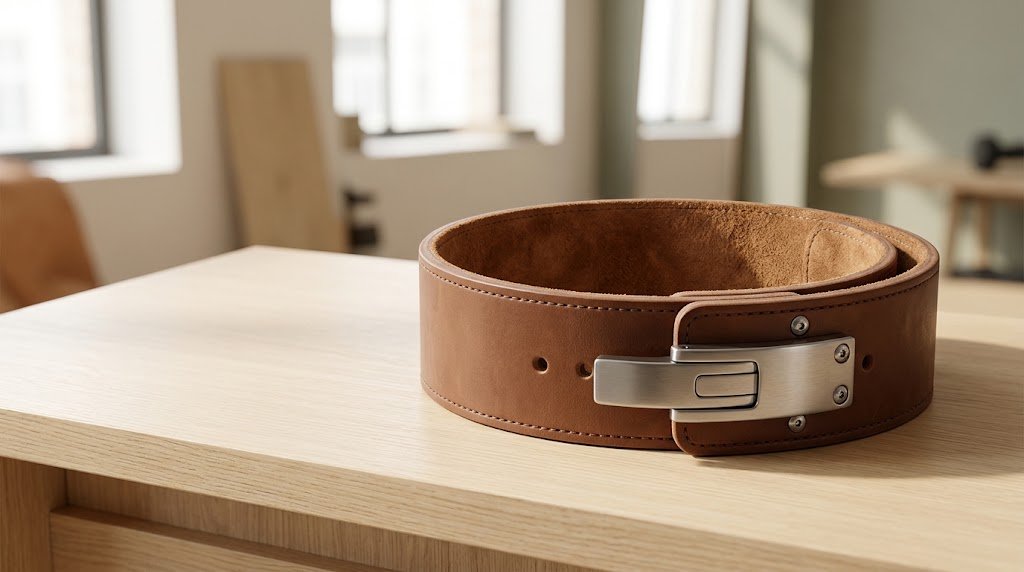
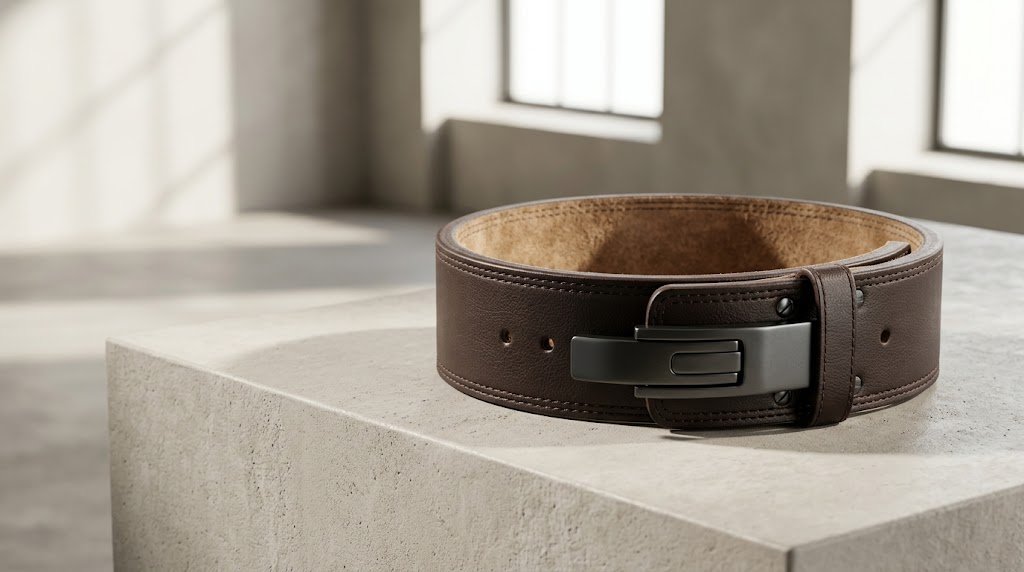
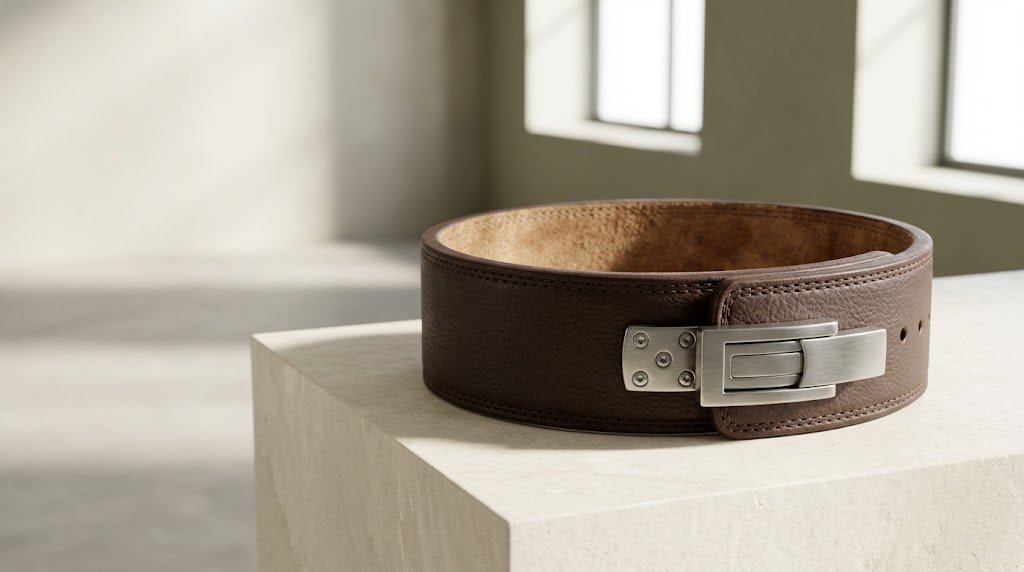
A leather weightlifting belt is a popular option among powerlifters and strength-training enthusiasts because leather can provide firm, consistent support. Depending on its construction, it may also offer long-term durability.
Leather belts come in different widths, thicknesses, fastening systems, and materials. Some have a lever closure, while others use a single or double-prong buckle.
The right choice depends on your training style, comfort, and personal preference. A belt that feels too loose may not provide the firm surface you need. One that is too tight may make it difficult to breathe and brace comfortably.
Look for strong stitching, suitable dimensions, a secure closure, and a fit that allows you to brace without unnecessary discomfort.
5. What Is the Difference Between a Weightlifting Belt and a Powerlifting Belt?
The terms are often used interchangeably, but there can be differences in design and intended use.
A general training belt may have a tapered shape, softer materials, or a design intended for a variety of gym exercises. A powerlifting belt is commonly designed to provide firm support during heavy squats, deadlifts, and other strength-focused movements.
Powerlifting belts often have a consistent width around the torso. Some lifters prefer a 10 mm belt, while others choose a thicker design depending on comfort and competition rules.
Neither style is automatically best for everyone. Your experience, body shape, training goals, and ability to brace should guide your decision.
6. Should Beginners Use a Weightlifting Belt?
Beginners usually benefit most from learning proper lifting technique first. This includes keeping a controlled position, understanding how to brace the core, and choosing weights they can handle safely.
You do not need a belt simply because other people in your gym wear one. For many beginners, lighter training loads provide a good opportunity to develop technique and body awareness.
As your training progresses and you begin working with heavier weights, you may find a belt helpful during selected sets.
A gym belt should support good training habits, not become a substitute for learning them. If you are unsure whether you are ready for one, ask a qualified strength coach to review your technique.
7. When Should You Wear a Weightlifting Belt?
A belt is generally worth considering when you perform challenging compound lifts and need additional support for your bracing strategy.
You might use it for your heavier working sets rather than wearing it throughout the entire workout. Some lifters also prefer to complete warm-up sets without a belt so they can practice their normal bracing technique.
There is no single weight that tells everyone when to start using one. Your experience, technique, exercise, and ability to control the load matter more than a universal number.
A belt for weightlifting should fit securely without restricting your breathing. If it causes pain, excessive pressure, numbness, or discomfort, stop using it and reassess the fit.
8. Can a Weightlifting Belt Prevent Back Injuries?
A belt may help improve trunk stability during heavy lifting, but it cannot guarantee protection from back injuries.
Injury risk depends on several factors, including training technique, fatigue, workload, previous injuries, and how quickly you increase the weight. Wearing a belt does not remove these risks.
Some people also mistakenly believe a belt allows them to lift any weight safely. This can lead to poor decisions, especially when they attempt loads beyond their ability.
Use a manageable weight, maintain controlled technique, and increase training demands gradually. If you have persistent back pain or a previous back injury, consult a qualified healthcare professional before changing your training routine.
9. How Tight Should a Weightlifting Belt Be?
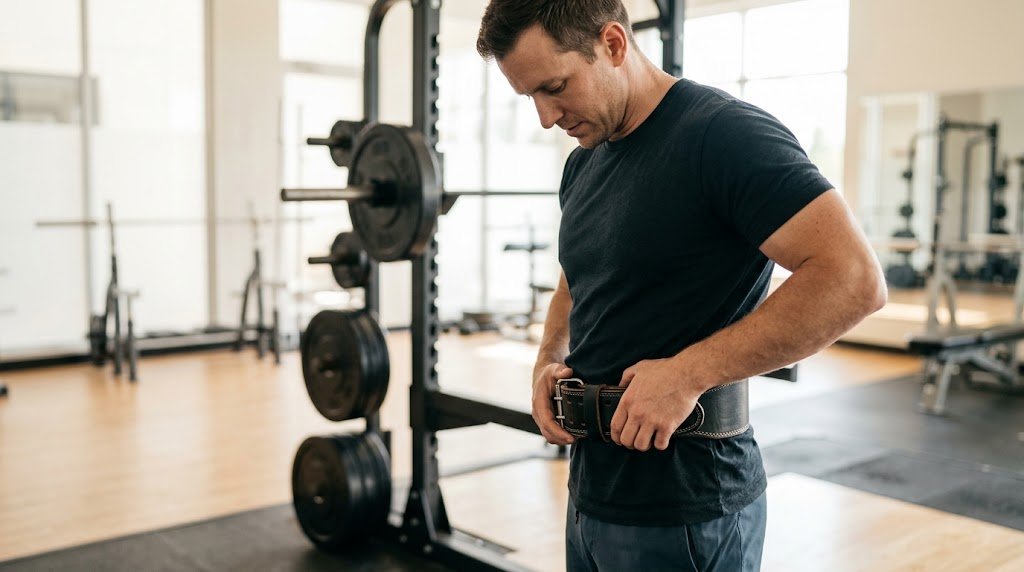
Your belt should be snug enough to provide a firm surface for abdominal bracing while still allowing you to breathe deeply and move into your lifting position.
Fasten it around your waist, take a breath, and tighten your abdominal muscles outward against the belt. You should feel resistance without being unable to breathe or brace effectively.
The ideal tightness varies between people and exercises. A belt that works well for one lifter may feel uncomfortable for another.
A well-fitting belt should stay in position during your set and should not dig painfully into your ribs or hips. Adjust the placement and fastening before adding more weight.
10. Is a Weightlifting Belt Worth Buying?
For people who regularly perform heavy compound lifts, a belt may be a useful addition to their training equipment. For casual gym users who mainly lift light weights, it may not be necessary.
When choosing a belt, consider its material, thickness, width, closure, durability, and fit. A well-made belt should suit your training needs rather than simply look impressive.
If you prefer traditional materials, leather weightlifting belts offer a firm feel and can last for years with appropriate care. Compare the available designs and select one that fits your body and training style.
The most important point is simple: a belt is a training aid, not a replacement for technique, core strength, or sensible programming.
Final Thoughts
So, what does a weightlifting belt do? It provides a firm surface for your abdominal muscles to brace against, helping you create pressure and maintain trunk stability during demanding lifts.
It may be especially useful for heavy squats, deadlifts, and other strength exercises. However, it does not automatically make you stronger or guarantee protection from injury.
Learn proper technique, choose a suitable fit, and use a belt when it supports your training goals. When used correctly, it can be a helpful tool in a balanced strength-training routine.
Core Support
When a lifter braces against a sturdy belt, the abdominal muscles work with the belt to form a solid cylinder of pressure. This increased pressure helps maintain a neutral spine position, reduces unwanted flexion, and enables the athlete to lift heavier loads with confidence. The result is a more efficient lift and the ability to progress safely over time.
Safety and Injury Prevention
A well‑designed leather weightlifting belt can lower the risk of lower‑back strains and herniated discs. By limiting excessive spinal movement, the belt distributes the load across a larger area of the torso. This distribution lessens stress on the intervertebral discs and surrounding muscles, which is especially important for athletes who train with maximal or near‑maximal weights on a regular basis.
Customization and Branding
The Grip Leather offers OEM and private‑label solutions for weightlifting belts, allowing businesses to add custom logos, branding, and packaging. Our partners can choose from a range of leather thicknesses and stitching options to meet specific performance requirements. Because we work directly with trusted manufacturers in Sialkot, we can provide competitive pricing while maintaining consistent quality for bulk orders.
- Premium full‑grain leather for durability
- Reinforced stitching for added strength
- Custom logo embossing or printed branding
- Available in standard and oversized widths
- Bulk packaging options for easy distribution
Using an Auto Draft approach to product development, we streamline the design and sampling phases, ensuring that each belt meets the exact specifications of our clients. This method reduces lead times and allows for rapid adjustments based on feedback, making it ideal for brands that need to stay ahead of market trends.
In summary, a weightlifting belt supports the core, enhances safety, and offers a platform for brand differentiation. Whether you are supplying gyms, retailers, or professional athletes, a high‑quality leather belt from The Grip Leather can become a trusted component of any strength‑training program.