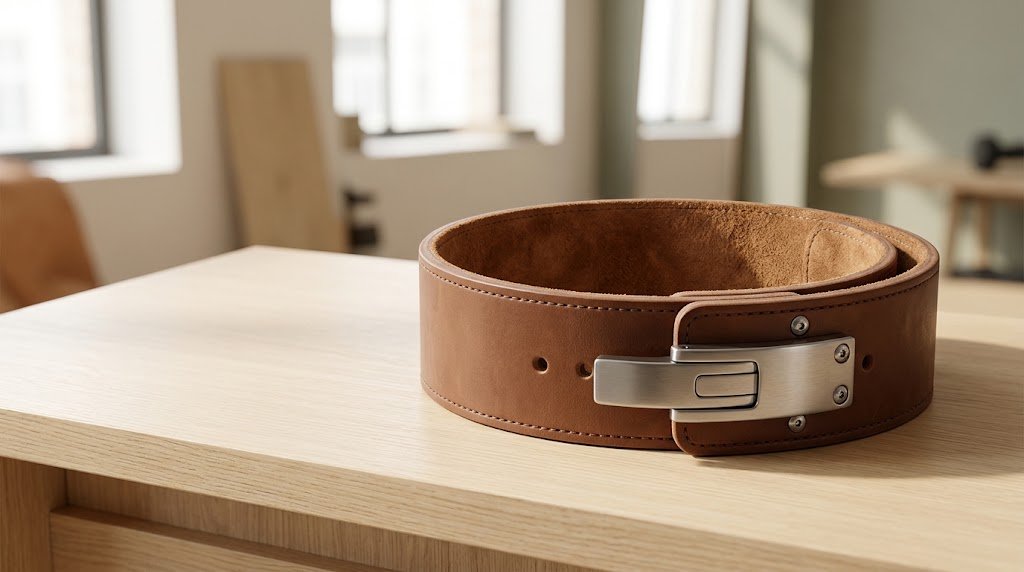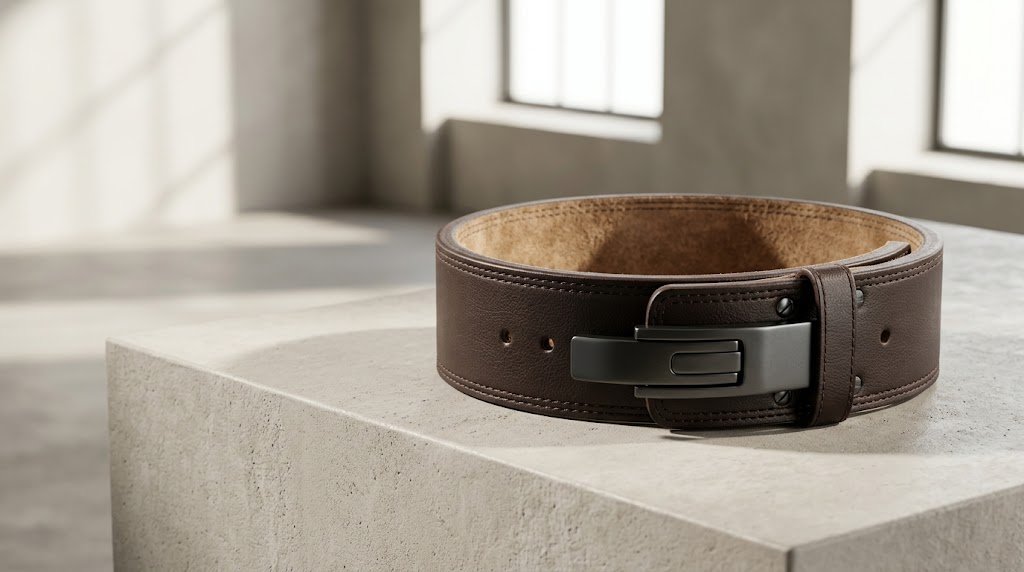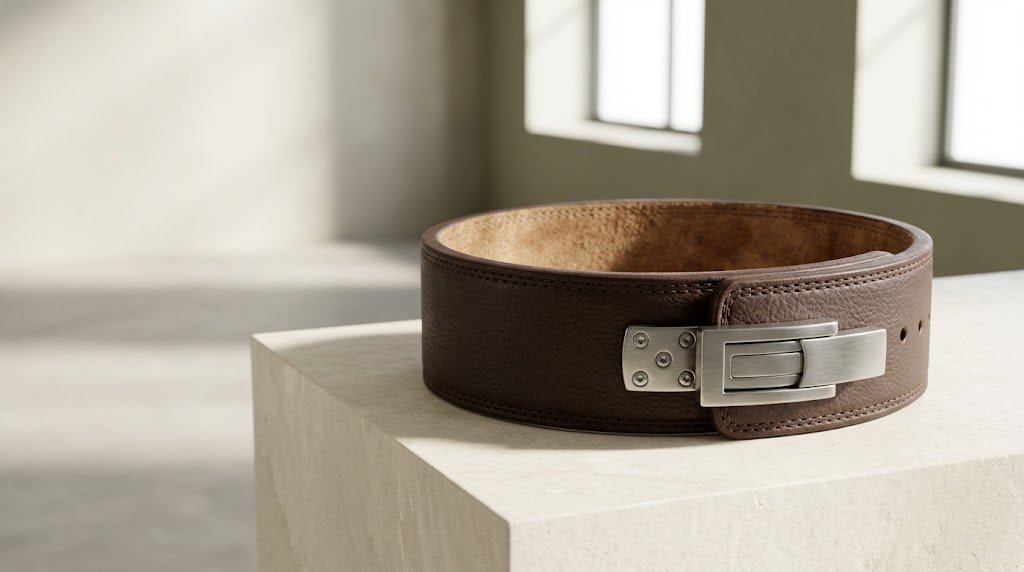
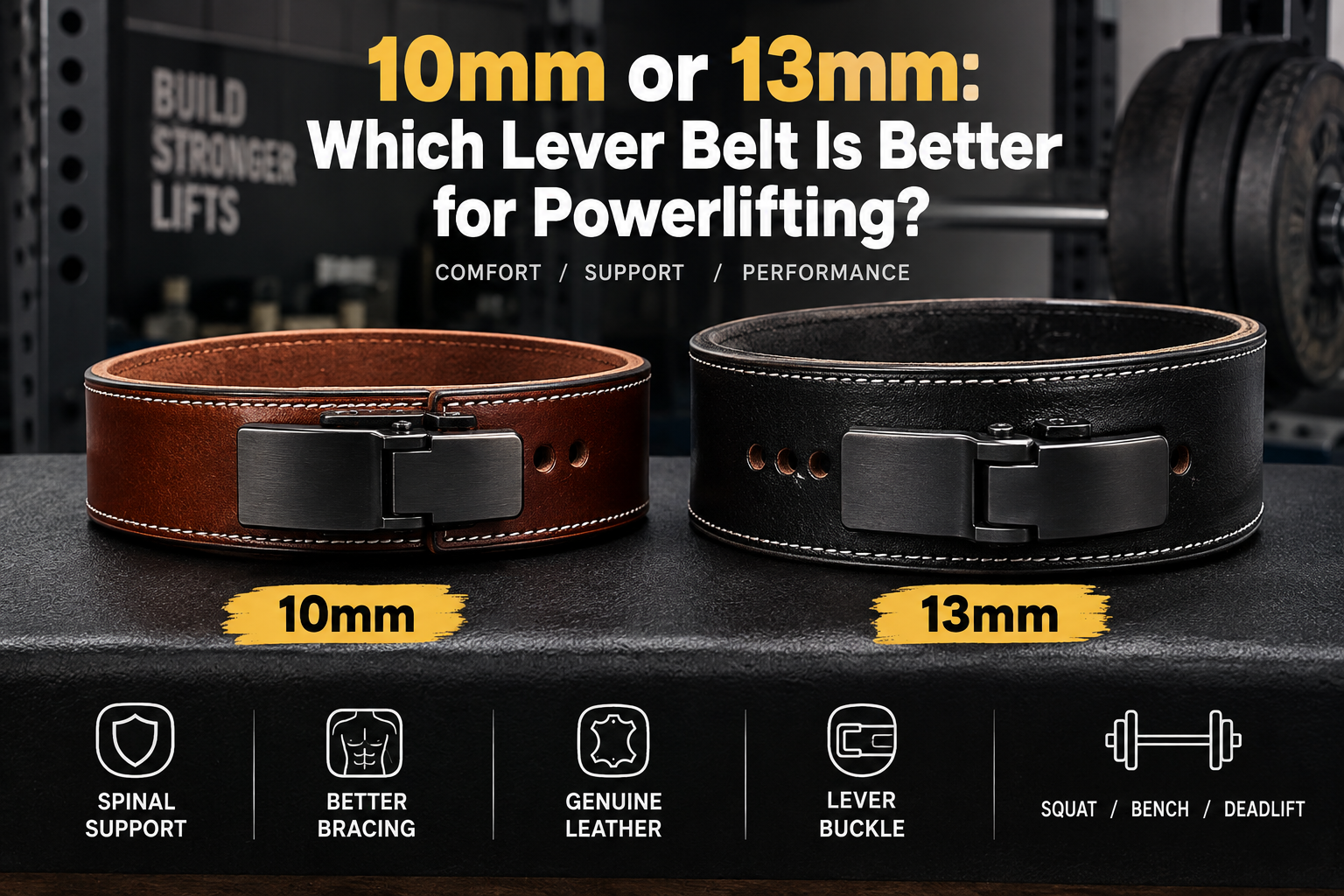
Quick Summary: A 10mm lever belt is the ideal choice for roughly 85% of lifters because it balances rigid spinal support with hip mobility, breaks in within 1 to 2 weeks, and avoids rib pinching during deadlifts. A 13mm lever belt delivers maximum, unyielding rigidity designed specifically for heavyweight competitors (205+ lbs) and elite squatters who require an uncompromising surface to brace against under maximal loads. Both sizes are competition legal under IPF standards.
If you are looking to boost your lifts and keep your back safe, a heavy leather belt is essential. When you start shopping for competition-grade gear, you immediately run into a big choice regarding thickness: 10mm or 13mm, which lever belt is better for powerlifting?
The short answer: For roughly 85% of lifters, a 10mm lever belt is the superior choice. It offers complete support, molds to your waist quickly, and won’t dig into your ribs during deadlifts. A 13mm belt is an unyielding wall made for heavyweight competitors and elite squatters who need maximum stiffness.
Below is your complete guide to choosing the right thickness for your body and your lifts.
Biomechanics: How Thickness Creates Intra-Abdominal Pressure
A lifting belt does not hold up your spine like a medical brace. Instead, it provides a firm, rigid surface for your abdominal wall to push outward against.
When you take a deep belly breath and brace your core before a heavy attempt, you create critical intra-abdominal pressure weightlifting belt support. This internal pressure locks your spine into place and keeps your torso rigid under heavy iron. While a thicker belt offers a firmer surface to push against, it only helps if it fits your torso well enough to allow a full, deep breath.
Material Quality: How Real Leather Belts Are Built
Not all belts are made the same, and build quality directly impacts durability. High-grade belts use dense layers of genuine cowhide glued and stitched together to handle immense tension without stretching.
Before you invest, paying close attention to the leather thickness lifting belt details is essential:
- 10mm Belts: Typically made from two to three bonded leather layers. This design provides high tensile strength while maintaining enough flexibility to contour to your waistline.
- 13mm Belts: Built using thicker leather slabs. This construction eliminates flex, meaning the belt will not conform to your body—you must adapt to the belt.
10mm Lever Belt: Daily Comfort and Mobility
For most gym athletes, a 10mm belt hits the perfect sweet spot between rigid support and day-to-day usability.
Why Lifters Prefer 10mm:
- Faster Break-In: Premium leather is stiff out of the box, but a 10mm belt breaks in within a couple of weeks of regular lifting.
- No Rib Pinching: A common complaint among athletes is a weightlifting belt bruising ribs or cutting into the hip bones. A 10mm belt sits cleanly between your ribs and pelvis without sharp leather edges digging into your skin.
- All-Around Utility: You can wear it comfortably across squats, bench presses, and overhead work.
The Deadlift Test: Why 10mm Usually Wins
The deadlift requires bending forward into deep hip flexion to reach the barbell. A belt that is too thick will wedge uncomfortably into your belly and throw off your setup.
This is why the 10mm vs 13mm belt for deadlift discussion almost always leans toward the 10mm option. A 10mm belt lets you sink into your starting position, set a flat back, and grip the bar without pinching your hips. It provides solid core stability while allowing the mobility needed for a smooth, powerful pull off the platform floor.
13mm Lever Belt: Maximum Rigidity for Heavy Squats
If 10mm belts are so practical, why choose a 13mm belt? Because at the highest levels of strength sports, maximum rigidity makes a measurable difference.
In the classic matchup of a 10mm vs 13mm belt for squats, the 13mm belt is the clear winner for raw stopping power. When you have heavy weight on your upper back, a 13mm belt acts like a solid cast around your midsection. It gives you a rock-solid surface to rebound against out of the bottom of the squat, giving heavy lifters maximum confidence under load.
How to Handle the Stiff Break-In Period
A 13mm belt requires patience. When it arrives, top-grade genuine leather feels like a solid wooden board, and it takes time to soften up.
Knowing how to break in a 13mm belt correctly will save you a lot of discomfort:
- Roll the belt tightly inward and outward by hand to loosen the internal fibers.
- Wear it during your warm-up sets so your body heat can soften the inner suede lining.
- Expect some initial soreness or minor bruising along your hips during the first three to four weeks until the leather molds to your shape.
Quick Comparison: 10mm vs. 13mm
| Feature | 10mm Lever Belt | 13mm Lever Belt |
| Best For | 85% of lifters, deadlift focus, under 205 lbs | Heavyweight lifters (205+ lbs), elite squatters |
| Break-In Time | 1 to 2 weeks | 4 to 8 weeks |
| Deadlift Mobility | High; easy to get down to the bar | Stiff; can pinch ribs in the starting pull |
| Squat Support | Great for most strength levels | Maximum rigid resistance possible |
| Early Comfort | Mild stiffness | High chance of hip and rib bruising early on |
Federation Rules and Equipment Checks
If you plan to step onto a competitive platform, your gear must follow sanctioning rules. Organizations like the International Powerlifting Federation enforce strict limits on belt dimensions.
Rulebooks specify that the maximum allowable IPF approved belt thickness is 13mm, with a maximum width of 10cm (about 4 inches). Both 10mm and 13mm options are fully legal for competition use. A 10mm belt easily clears equipment check, while a true 13mm belt sits right at the legal limit for maximum allowed support.
Buckle Mechanics: Lever vs. Prong
Once you pick your leather thickness, you need to choose your buckle design. Lifters frequently compare the convenience of a lever belt vs prong belt for their training needs.
- Prong Belts: Use a standard tongue-and-hole buckle. They are easy to adjust on the fly if your waist size fluctuates, but pulling them tight or taking them off after an exhausting set can be difficult.
- Lever Belts: Feature a heavy-duty steel clamp. You set the sizing plate once with a screwdriver, and from then on, you lock the belt tight with a quick flick of your hand and pop it open instantly when the set is done.
Final Recommendation: Which Should You Buy?
Go with the 10mm Lever Belt if:
- This is your first dedicated leather powerlifting belt.
- You weigh under 205 lbs (93 kg) or have an average-to-shorter torso.
- You want a single belt that works comfortably for squats, bench, and deadlifts.
- You want a fast break-in period without bruised ribs.
Go with the 13mm Lever Belt if:
- You compete in heavier weight classes (205+ lbs / 93+ kg).
- Your squat is your main priority and you want maximum stopping power.
- You already own a 10mm belt and want a stiffer option for heavy squat days.
- You do not mind a longer, stiffer break-in process.
Measure your waist around your navel where the belt will actually sit, pick the thickness that fits your training, and lock in your brace for your next heavy session.
Frequently Asked Questions
Is a 10mm or 13mm lever belt better for beginners?
A 10mm lever belt is much better for beginners. It provides all the spinal support and intra-abdominal pressure needed for heavy lifting while breaking in faster and remaining comfortable enough for squats, bench presses, and deadlifts.
Why does a 13mm belt hurt or bruise my ribs?
A 13mm belt is made of dense, thick leather slabs that have minimal give. During the initial break-in period or when bending forward for deadlifts, the rigid edge can press hard against the lower floating ribs and hip crest, causing bruising until the leather softens.
Is a 13mm belt legal in IPF powerlifting competitions?
Yes. Under International Powerlifting Federation (IPF) technical rules, the maximum legal belt thickness is exactly 13mm, and the maximum width is 10cm (4 inches). Both 10mm and 13mm belts are competition legal.
Can I use a 13mm lever belt for deadlifts?
You can, but many lifters find that the 13mm thickness restricts hip flexion at the bottom of the setup. It can push your hips back or round your spine before you pull. If deadlifts are a priority, a 10mm belt generally offers better mobility.
Request a Wholesale Catalog & Free Sample Quote →
Looking to Launch or Upgrade Your Brand’s Lifting Belts?
At The Grip Leather, we manufacture competition-grade 10mm and 13mm lever belts directly from Sialkot for fitness brands, powerlifting gyms, and retail labels worldwide.
Custom Specification: Premium vegetable-tanned cowhide, suede linings, and heavy-duty steel alloy levers.
Branding Options: Deep leather debossing, laser-engraved buckles, custom embroidery, and retail packaging.
Low MOQs & Fast Sampling: Test your custom prototype before placing bulk wholesale runs.