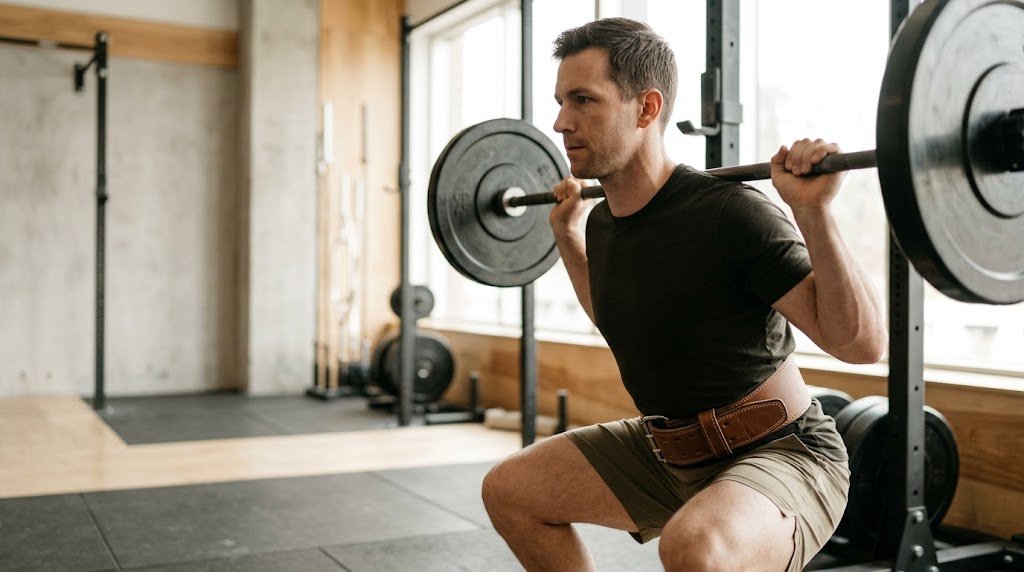
Many people wear a belt at the gym, especially when lifting heavy weights. But what is the actual purpose of a weight lifting belt? Does it support your back, help you lift heavier weights, or make exercise safer?
A weight lifting belt is designed to help you brace your core during challenging exercises. It gives your abdominal muscles a firm surface to push against, helping you create pressure inside your abdomen and maintain a stable torso.
However, wearing a belt does not automatically make every lift safer or improve your technique. To get the most from it, you need to understand what it does, when to use it, and how to choose the right one.
1. The Main Purpose of a Weight Lifting Belt
The main purpose of a weightlifting belt is to support abdominal bracing during demanding lifts. When you squat or deadlift, your abdominal and back muscles work together to keep your torso stable.
A belt provides resistance around your waist when you tighten your core. This can help you create intra-abdominal pressure, which contributes to trunk stability while lifting heavy loads.
Think of the belt as a tool that works with your muscles, not something that replaces them. You still need to control the weight, maintain proper technique, and breathe correctly.
A belt is generally most useful during challenging compound exercises rather than every movement in your workout.
2. How Does a Gym Belt Work?
A gym belt works by giving your abdominal muscles something firm to push against. Before lifting, you take a breath, tighten your abdominal muscles, and brace your torso against the belt.
This bracing helps you maintain a stable position while your legs, hips, and back work together to move the weight.
For example, during a squat, your torso needs to remain controlled as you lower your body and stand back up. A belt may help you maintain that braced position during demanding sets.
The belt does not hold your spine in place by itself. Its usefulness depends on how well it fits and how effectively you brace your core.
3. Can a Weight Lifting Belt Help You Lift Heavier?
Some lifters find that they can perform heavy lifts more effectively when wearing a belt. The added support and improved sense of stability may help them maintain their bracing during challenging repetitions.
However, a belt does not directly build muscle or guarantee that you will lift more weight. Results vary depending on your training experience, exercise, technique, and comfort with the belt.
You should not add weight simply because you are wearing one. Increase the load gradually and use weights you can control with good technique.
A belt can be useful equipment, but consistent training, proper recovery, and sound programming remain essential for strength development.
4. Which Exercises Can You Use a Belt For?
Belts are commonly used during exercises that require strong core bracing. These include:
- Squats: Help maintain a stable torso while moving a heavy barbell.
- Deadlifts: Support bracing when lifting a barbell from the floor.
- Overhead presses: May help you keep your torso controlled during heavy presses.
- Barbell rows: Can be useful for some lifters during demanding sets.
You do not need to wear a belt for every exercise. Many lighter movements can be performed comfortably without one.
Choose when to use it based on the exercise, the weight, your experience, and your ability to maintain good technique.
5. Are Leather Belts a Good Choice?
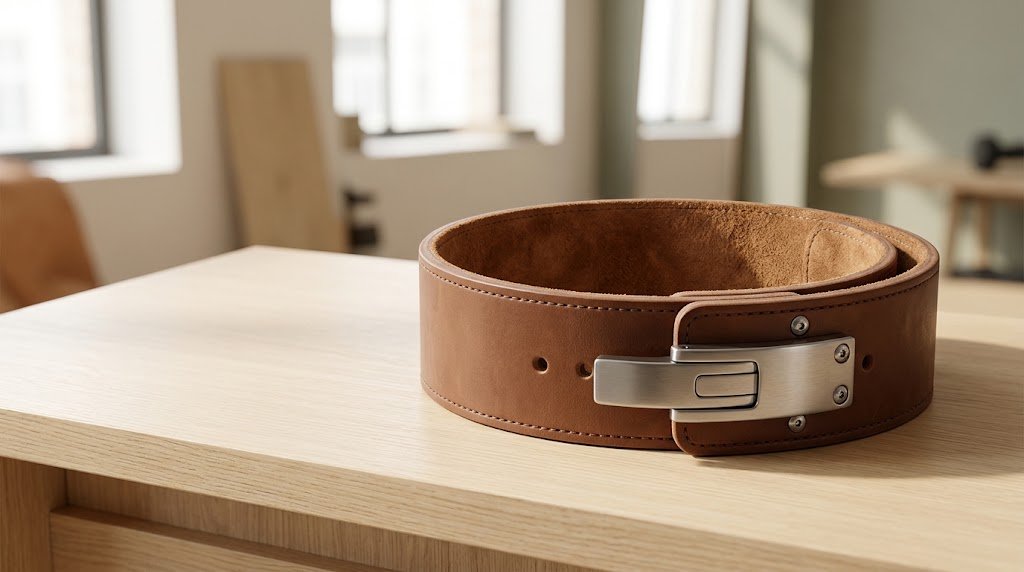
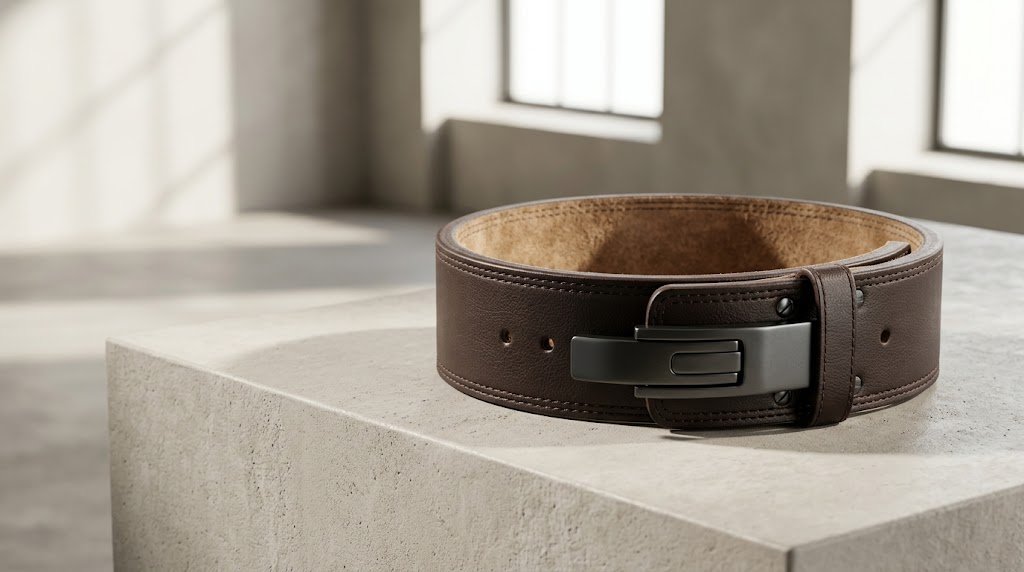
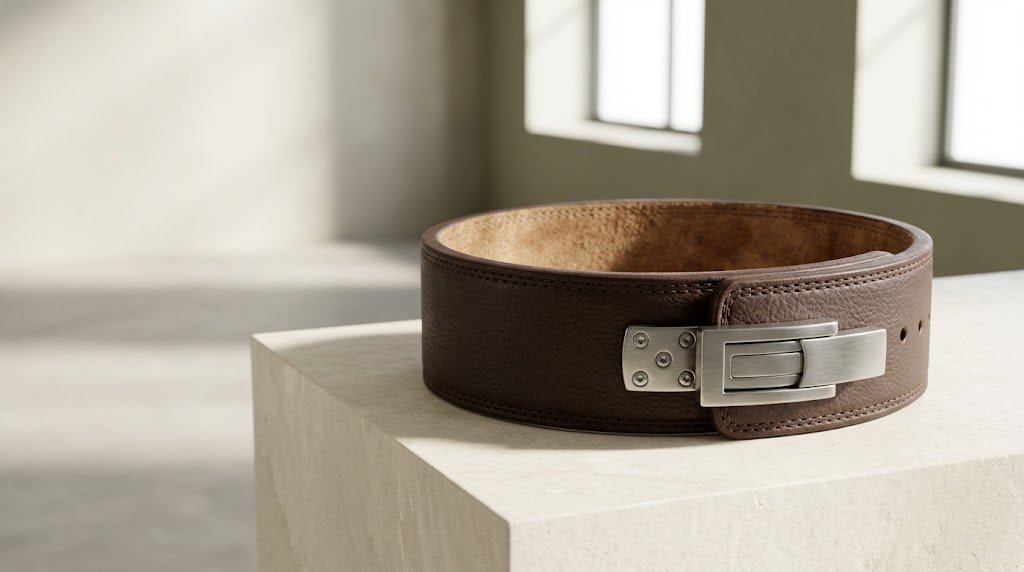
Many strength-training enthusiasts prefer leather belts because they can provide firm support and last for a long time with proper care.
Leather belts are available in different thicknesses, widths, and fastening systems. Some use a lever closure, while others have a single-prong or double-prong buckle.
A good belt should fit your body comfortably and provide a stable surface for bracing. It should not be so tight that you cannot breathe properly, and it should not move around excessively during a lift.
When comparing options, consider the leather quality, stitching, buckle strength, dimensions, and overall construction. The best choice is the one that suits your training needs and feels comfortable during use.
6. What Is the Difference Between a Gym Belt and a Powerlifting Belt?
The terms can overlap, but the designs may differ.
A general gym belt may be made for a range of workouts and can have a tapered shape or softer construction. A belt designed for powerlifting often has a consistent width around the torso to provide firm support during heavy squats and deadlifts.
Powerlifting belts are available in different thicknesses and fastening styles. Some lifters prefer a 10 mm belt because it offers firm support without feeling as thick as a 13 mm option.
Neither type is automatically better for every person. Consider your training style, body shape, comfort, and any applicable competition rules before choosing one.
7. Should Beginners Wear a Weight Lifting Belt?
Beginners should first learn how to lift with proper technique and brace their core. This includes controlling the movement, choosing appropriate weights, and understanding how to maintain a stable torso.
You do not need a belt just because experienced lifters use one. Many beginners can develop their skills without wearing one during lighter training.
As you gain experience and begin performing heavier compound lifts, you may decide that a belt is helpful for selected sets.
A belt should support your training rather than become a shortcut around learning good technique. If you are unsure about your form, ask a qualified strength coach to assess it.
8. How Should a Weight Lifting Belt Fit?
A belt should fit snugly around your waist while leaving enough room for you to breathe and brace effectively.
When you fasten it, take a breath and tighten your abdominal muscles outward against the belt. You should feel firm resistance without excessive discomfort.
The right fit depends on your body shape, belt design, and the exercise you are performing. A belt that is too loose may not provide the support you expect, while one that is too tight can interfere with comfortable breathing and movement.
If the belt causes pain, numbness, or unusual discomfort, stop using it and check its fit.
9. Do You Need a Belt for Every Workout?
No. A belt is an optional training tool, not a requirement for everyone who visits the gym.
You may find it useful during heavy working sets but unnecessary during warm-ups, lighter exercises, or movements that do not demand the same level of trunk bracing.
Your training goals should guide your decision. Someone who regularly trains for powerlifting may use a belt more often than someone who focuses on light resistance training or general fitness.
Learning to brace your core without a belt is also valuable. Use equipment when it serves a clear purpose instead of wearing it automatically.
10. How Do You Choose the Right Belt?
Before buying a belt, think about the exercises you perform, how often you train, and the type of support you prefer.
Consider these factors:
- Material: Leather offers a firm feel and can be durable when properly made.
- Thickness: Different thicknesses provide different levels of firmness and comfort.
- Closure: Choose between lever, single-prong, and double-prong systems based on convenience and fit.
- Size: Measure your waist according to the manufacturer’s sizing instructions.
- Construction: Check the stitching, edges, buckle, and overall finish.
If you prefer a traditional design, a leather gym belt may suit your needs. Focus on fit, construction, and comfort rather than choosing a belt based on appearance alone.
Final Thoughts
The purpose of a weight lifting belt is to help you brace your core and maintain trunk stability during demanding lifts. It can be especially useful for heavy squats, deadlifts, and other strength-focused exercises.
However, a belt cannot replace good technique, consistent training, or sensible weight selection. Beginners should focus on learning proper movement before relying on lifting equipment.
Choose a belt that fits well, understand how to use it, and wear it when it supports your training goals. Used correctly, it can be a helpful addition to your strength-training routine.
Core Support and Injury Prevention
A high‑quality leather belt creates intra‑abdominal pressure that stabilizes the spine during heavy squats, deadlifts, and overhead presses. This added stability reduces the risk of lower back strain and helps you maintain proper form throughout each rep. The Grip Leather’s belts are crafted from premium leather that molds to the wearer’s waist, delivering consistent support without cutting off circulation.
Enhanced Performance
When your core is locked in place, you can generate more power from your legs and hips. This translates into higher lifts and better training efficiency. Our belts feature a sturdy buckle and reinforced stitching, ensuring they hold up under repeated heavy loads. Using a belt from The Grip Leather means you benefit from a product that won’t stretch or wear out quickly, keeping your performance gains steady.
Customization for Brand Identity
For gyms, retailers, and distributors, a branded weight lifting belt can reinforce brand identity. The Grip Leather offers OEM and private‑label options, allowing you to add logos, custom colors, and unique packaging. This flexibility makes it easy to create a distinctive product line that stands out in a crowded market.
Cost‑Effective Bulk Solutions
Businesses that need large quantities can rely on The Grip Leather’s competitive pricing and reliable export logistics. From order placement to final shipment, the company coordinates quality checks and ensures timely delivery. This makes it a practical choice for wholesalers and distributors seeking consistent supply.
Key features: – Premium full‑grain leather for lasting durability – Heavy‑duty steel buckle for secure fit – Custom logo embossing and branding options – Reinforced stitching to prevent wear – Available in multiple widths and lengths to suit different lifting styles
Choosing the right weight lifting belt is an investment in safety, performance, and brand reputation. With The Grip Leather’s expertise in custom leather goods, you get a belt that meets professional standards while reflecting your company’s image. Whether you are outfitting a gym, supplying retailers, or expanding your product catalog, a well‑designed belt is essential. Use Auto Draft to streamline your order process and keep your inventory moving smoothly.
Remember, a reliable belt is more than an accessory; it’s a tool that protects athletes and enhances their training outcomes. Trust a supplier that understands both the technical demands of lifting and the business needs of B2B partners. Auto Draft can help you plan and place bulk orders efficiently, ensuring you never run out of this critical piece of equipment.