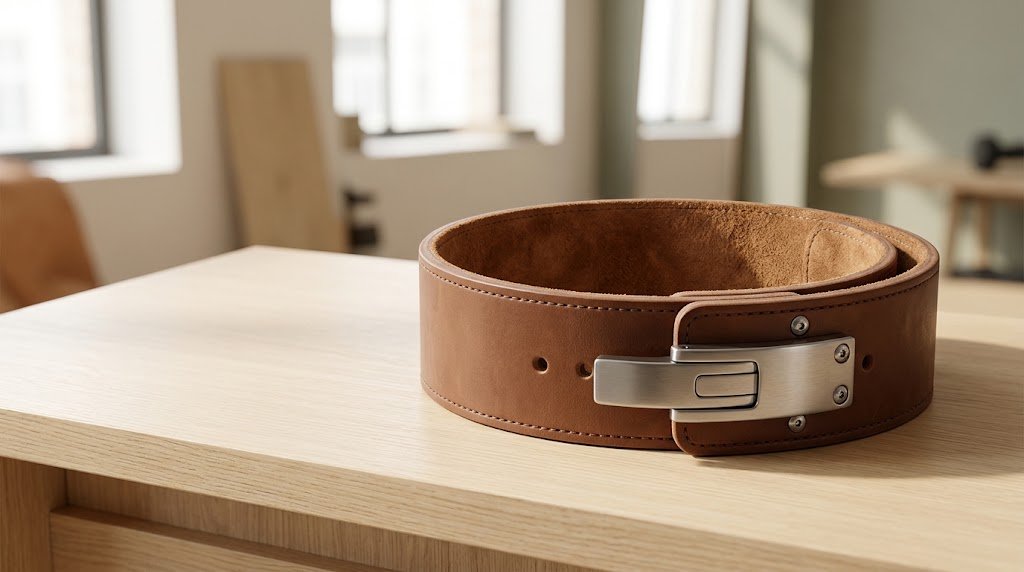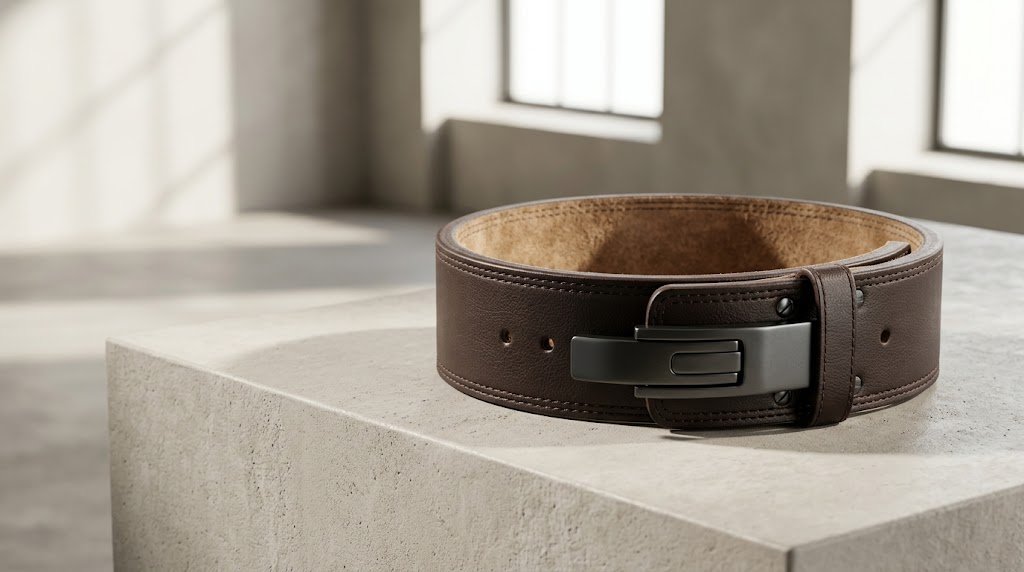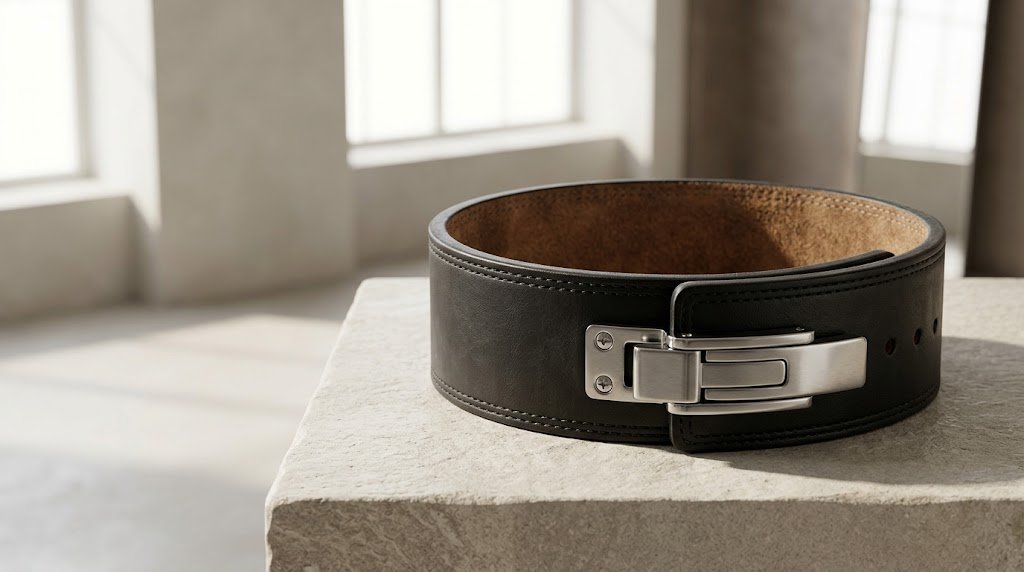
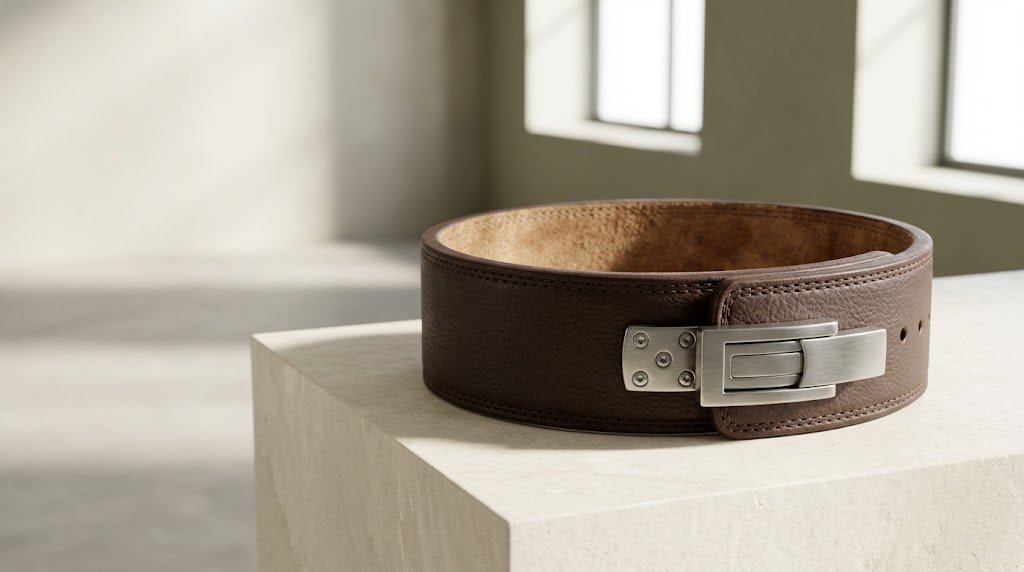
Choosing a weightlifting belt is easier when you understand the materials used to make it. Leather type, leather grade, tanning method, and buckle design all affect the finished product. If you want a belt made from buffalo hide with a lever closure, understanding these features can help you make a better choice.
A buffalo hide full grain combination tanned lever belt combines buffalo leather, a full grain leather surface, combination tanning, and a lever fastening system. It is designed for strength-training users who want a sturdy leather belt with a convenient closure.
In this guide, we will explain what makes this belt different, what to check before buying one, and how to care for it.
What Is a Buffalo Hide Full Grain Combination Tanned Lever Belt?
This is a leather weightlifting belt made from full grain buffalo hide that has been combination tanned. It uses a lever buckle to secure the belt around the waist.
Each term describes a different feature. Buffalo hide identifies the source of the leather. Full grain describes the condition of the leather’s natural grain surface. Combination tanning refers to the tanning process, while the lever closure provides a way to fasten and release the belt.
Together, these features create a product intended for strength training. However, the final quality depends on the hide, leather thickness, tanning process, construction, and hardware.
Understanding these details helps you compare belts based on more than appearance or price.
1. Why Choose Buffalo Hide Leather?
Buffalo leather is used in various leather goods, including belts, bags, and other durable products. Its appearance and physical properties can vary depending on the animal, hide selection, and processing method.
A well-made buffalo hide lever belt may appeal to lifters who prefer a distinctive leather appearance and a firm belt construction. The natural grain can have visible texture, although the exact look varies between hides.
Buffalo leather is not automatically stronger or better than cowhide in every application. Quality depends on several factors, including how the hide is selected, processed, cut, and finished.
When comparing products, ask about the actual leather specifications. Check the belt’s thickness, stitching, edge finishing, and buckle attachment. These details help you understand the quality of the complete product.
2. What Does Full Grain Buffalo Leather Mean?
Full grain leather retains the natural grain surface of the hide rather than having that surface sanded away to remove imperfections. Its appearance may include natural markings and variations.
A full grain buffalo leather belt can have a distinctive grain pattern that gives it a natural leather look. Minor differences between individual belts are normal and do not necessarily indicate a defect.
Full grain leather is commonly used in premium leather goods. However, the term alone does not guarantee a particular level of strength, comfort, or service life. The hide’s quality, thickness, tanning, and construction also matter.
Before purchasing a belt, check that the seller clearly identifies the leather grade. If you are buying for your own training, consider how the belt feels and fits. If you are sourcing products for a business, request samples and compare the actual materials with the stated specifications.
3. What Is Combination Tanning?
Combination tanning uses two or more tanning methods. One common approach combines chrome tanning with vegetable tanning, although the exact process varies by manufacturer.
The purpose is to achieve a particular balance of leather properties. Depending on the process, the finished leather may have a specific feel, flexibility, firmness, or appearance.
Combination tanned leather is not one single, standardized material. Different tanneries can use different processes, so two combination-tanned leathers may not perform in exactly the same way.
Vegetable tanning uses tannins from plant sources. Chrome tanning uses chromium-based tanning agents. Each method has its own production requirements and characteristics.
For a weightlifting belt, focus on the finished leather’s thickness, firmness, finish, and suitability for the intended use. Ask the supplier for clear material information instead of assuming that one tanning method is always superior.
4. How Does a Lever Buckle Work?
A lever buckle fastens the belt using a metal mechanism attached to the leather. After placing the belt around your waist, you close the lever to secure it. To remove the belt, you release the mechanism.
A leather lever belt can be useful for people who prefer to fasten and release their belt quickly between sets. Once adjusted correctly, the closure can provide a repeatable fit.
However, the adjustment system matters. Some lever designs allow the fit to be changed by repositioning the mechanism, while others offer different adjustment methods. Check these details before purchasing.
The lever should close securely and operate smoothly. Inspect the metal finish, attachment points, and fasteners. A quality product should not have loose hardware, sharp edges, or a lever that opens unexpectedly.
Remember that a lever closure does not automatically make a belt better than a prong belt. The right option depends on your fit preferences and training needs.
5. Who Should Consider This Belt?
A buffalo weightlifting belt with a lever closure may suit lifters who perform heavy compound exercises and want a firm belt around their midsection.
Exercises that may involve a belt include:
- Barbell squats
- Deadlifts
- Certain overhead lifts
- Other heavy strength-training movements where proper bracing is important
A belt is not necessary for every exercise. Beginners can build strength and learn good lifting technique without using one immediately.
A weightlifting belt also does not replace proper bracing, safe load selection, or a well-planned training program. It should support your lifting approach rather than become a substitute for technique.
If you are new to belt training, ask a qualified coach to help you understand how to position the belt and brace correctly.
6. What Should You Check Before Buying?
Before selecting a belt, review the features that influence fit, usability, and construction.
Leather grade: Confirm that the product is made from full grain buffalo leather if that is your preference. Do not rely on the product title alone.
Thickness and width: These affect how the belt feels around your torso. Choose dimensions that suit your body and training style.
Lever quality: Check whether the buckle closes securely, opens smoothly, and can be adjusted when needed.
Stitching and edges: Look for even stitching, clean edges, and consistent finishing.
Sizing: Measure your waist according to the manufacturer’s guide. Trouser size may not match belt size.
If you are comparing a powerlifting belt, consider the complete design rather than focusing on the leather alone. Comfort, secure hardware, and appropriate sizing are equally important when deciding which belt to use.
7. How to Care for a Buffalo Leather Belt
Good care can help keep your belt clean and in usable condition.
After training, wipe away sweat and surface moisture with a soft, clean cloth. Let the belt air-dry before storing it. Avoid leaving it in a hot car or placing it near direct heat for long periods.
Do not soak the leather or clean it with harsh chemicals. If the manufacturer recommends a leather conditioner, follow the instructions and test it on a small, less visible area first.
Inspect the stitching, lever, fasteners, and adjustment points regularly. Stop using the belt if the closure becomes damaged or cannot lock securely.
For brands and retailers sourcing a full grain lifting belt, consistent care instructions and clear product specifications can also help customers understand how to maintain their purchase.
8. Is This the Right Belt for You?
A buffalo hide full grain combination tanned lever belt may be worth considering if you prefer buffalo leather, want a full grain surface, and like the convenience of a lever closure.
However, the best choice depends on your training, fit preferences, and budget. Some lifters prefer cowhide leather, while others prioritize a different buckle style or belt dimensions.
When evaluating a leather lifting belt, compare the materials, construction, comfort, and hardware. Ask questions when specifications are unclear, and choose a belt that fits securely without preventing you from breathing and bracing properly.
Frequently Asked Questions
Is buffalo leather suitable for weightlifting belts?
It can be suitable when the leather is properly selected and the belt is well constructed. Check the thickness, finish, stitching, and hardware before buying.
What is full grain buffalo leather?
It is buffalo leather that retains its natural grain surface. Its texture and appearance can vary naturally from one hide to another.
Is combination tanning better than chrome tanning alone?
Not automatically. The results depend on the tanning process and the intended use of the leather. Finished material quality matters more than the label alone.
What is the main benefit of a lever belt?
A lever buckle allows quick fastening and release. Its convenience depends on the buckle design and whether it can be adjusted to fit the user.
Final Thoughts
A buffalo hide full grain combination tanned lever belt combines a specific leather source, grade, tanning approach, and closure design. Understanding each feature can help you compare products and choose one that meets your needs.
Focus on accurate leather specifications, comfortable sizing, secure hardware, and careful construction. These details provide a more reliable basis for choosing a weightlifting belt than appearance or marketing claims alone.