Do weight lifting belts help lower back pain? The answer depends on what is causing the pain and how you use the belt. A weightlifting belt can help some lifters brace their core during heavy lifts, but it is not a treatment for back pain and cannot guarantee injury prevention.
Some people wear a gym belt because they want more support during squats, deadlifts, and other demanding exercises. However, if you already have lower back pain, choosing a belt without understanding the cause may not solve the problem.
In this guide, you will learn how weightlifting belts work, whether they can help with lower back discomfort, when to use one, and what to consider before returning to heavy lifting.
How Does a Weightlifting Belt Work?
A weightlifting belt wraps around your waist and provides a firm surface against which you can brace your abdominal muscles.
During a heavy lift, you take a breath and tighten your core muscles to create pressure around your torso. A belt can give you something to brace against, helping you maintain a stable position during demanding movements.
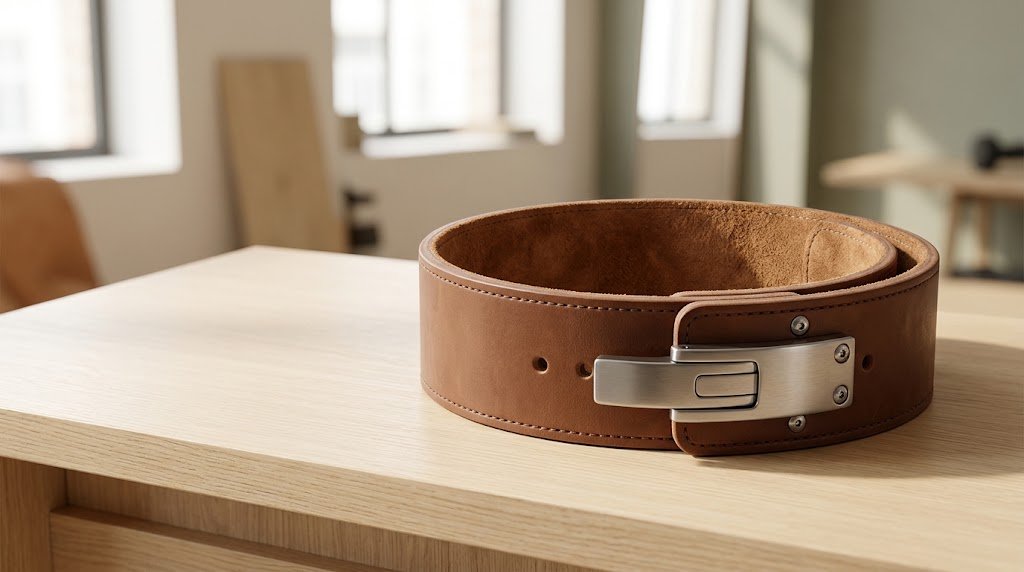
A leather weightlifting belt is a common choice for people who perform heavy strength training because it offers a firm, structured feel.
However, a belt does not hold your spine in a fixed position or remove all the forces placed on your lower back. Your technique, training load, mobility, recovery, and overall strength still matter.
Can a Weightlifting Belt Reduce Lower Back Pain?
A weightlifting belt may help some lifters feel more stable and confident during heavy lifts. Better bracing can help them manage demanding movements, but this does not mean the belt will reduce pain for everyone.
Lower back pain can have many causes, including muscle strains, training-related irritation, and other medical conditions. A belt cannot identify or treat these causes.
If your back hurts during squats or deadlifts, do not assume that wearing a tighter belt will solve the problem. It is often more useful to reduce the load, review your technique, and determine what is causing the discomfort.
Important: A weightlifting belt should not be used to push through pain or hide symptoms that need attention.
Do Weightlifting Belts Prevent Back Injuries?
A weightlifting belt may help with bracing during heavy lifting, but it does not guarantee protection from back injuries.
Injury risk can be influenced by several factors:
- Lifting more weight than you can currently manage.
- Increasing training volume too quickly.
- Using a technique that does not suit your ability or mobility.
- Training while fatigued.
- Not allowing enough time for recovery.
- Ignoring pain or other warning signs.
A belt cannot correct every technical problem or make an unsafe load safe.
For many lifters, the best approach is to develop good lifting habits, increase weights gradually, and use a belt as an optional training tool when appropriate.
When Should You Wear a Weightlifting Belt?
A belt is generally used during demanding sets where strong core bracing is important. Some experienced lifters wear one for heavy squats, deadlifts, and other compound exercises.
You may not need a belt for warm-ups, light sets, or exercises that do not require heavy bracing.
If you have lower back pain, your decision should be more cautious. Consider these steps:
- Stop the movement that causes pain. Do not keep adding weight to see whether a belt makes the pain disappear.
- Reduce the training load. If the movement remains comfortable with a lighter load, avoid rushing back to heavy lifting.
- Review your technique. A qualified coach may help identify technical issues.
- Seek professional advice when needed. A healthcare professional can help assess persistent, recurring, or severe back pain.
- Return gradually. Increase training demands only when it is appropriate for your condition.
A weight lifting belt can be part of a strength-training routine, but it should not replace an appropriate plan for managing back pain.
Which Weightlifting Belt Is Best for Lower Back Support?
If you use a belt for strength training, choose one that fits properly and allows you to brace comfortably. No particular belt style is proven to treat lower back pain.
Leather Weightlifting Belt

A leather weightlifting belt offers a firm, structured feel that many strength athletes prefer. It may be suitable for regular heavy lifting when it fits correctly and feels comfortable during your main exercises.
When choosing a leather belt, check its thickness, width, stitching, and fastening system. A belt that is too rigid or uncomfortable may not suit your body shape or lifting style.
Lever Weightlifting Belt

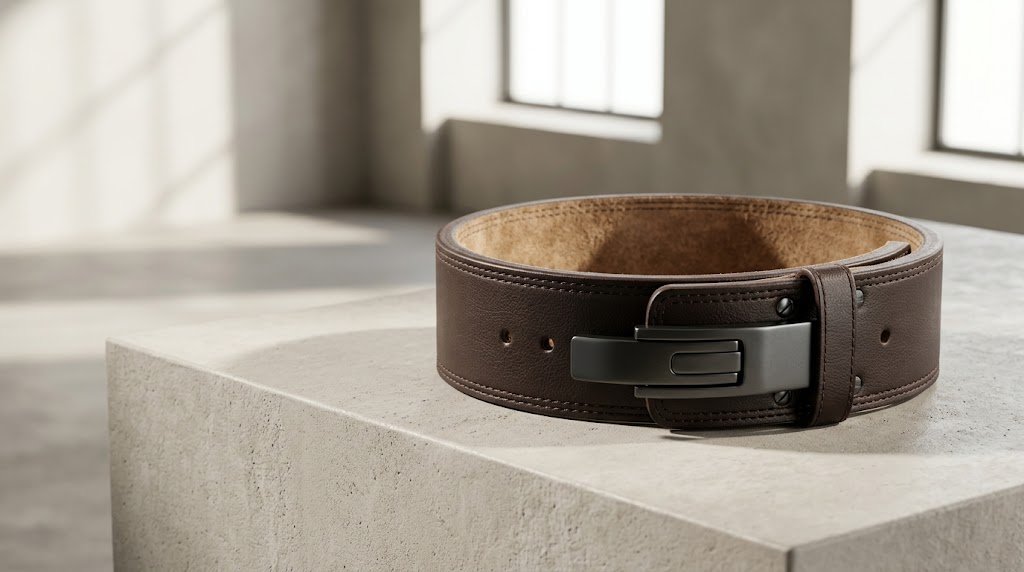
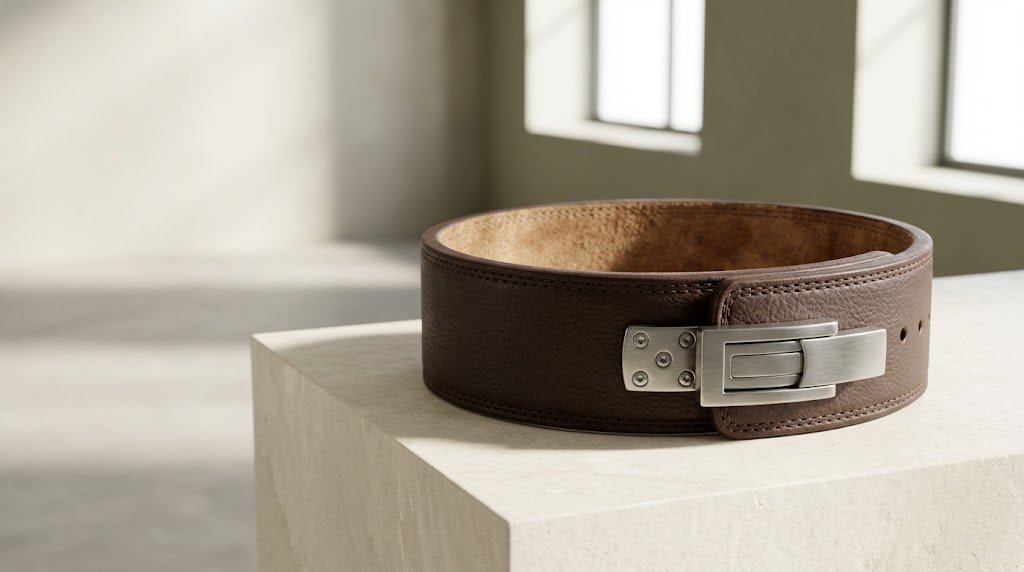
A lever belt uses a metal mechanism to fasten the belt. Once adjusted, it can be quick to open and close between sets.
Some lifters prefer this style because it provides a consistent fit. However, it must be adjusted correctly, and its firm construction may not feel comfortable for everyone.
Prong Weightlifting Belt
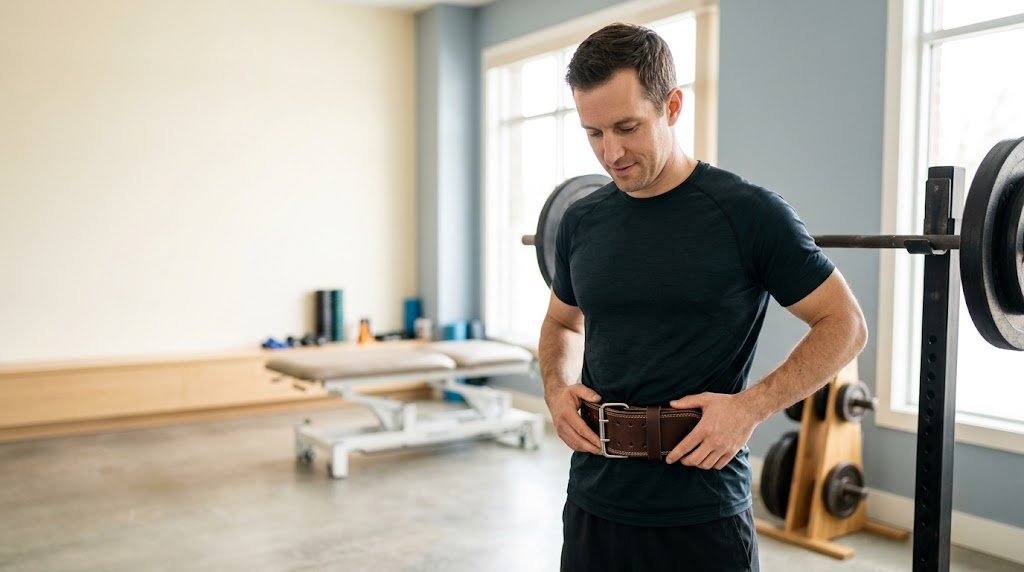
A prong belt uses a buckle and adjustment holes to secure the belt. Single-prong and double-prong options are available.
This traditional design lets you adjust the fit by selecting a different hole. The right fit should feel secure without causing excessive discomfort or restricting your ability to breathe and brace.
The key point: Choose a belt for fit, comfort, and training needs—not because you expect a particular style to cure back pain.
Can a Tight Weightlifting Belt Make Back Pain Worse?
A belt that is too tight or poorly positioned may cause discomfort and make it harder to breathe and brace naturally.
If wearing a belt increases your pain, creates pressure that feels unusual, or causes numbness or tingling, stop using it and seek appropriate advice.
Do not keep tightening the belt in an attempt to force your back into a particular position. A belt should support your lifting routine, not cause additional discomfort.
A properly fitted belt should allow you to take a breath, brace your abdominal muscles, and perform the movement with control.
What Should You Do if Your Lower Back Hurts After Lifting?
If your lower back hurts after a workout, avoid immediately returning to the same heavy load.
Consider the following steps:
- Temporarily stop exercises that trigger or worsen the pain.
- Avoid repeatedly testing the painful movement with heavy weights.
- Return to comfortable daily activity as tolerated.
- Review recent changes in your training volume, technique, and recovery.
- Consult a qualified healthcare professional if the pain persists, returns frequently, or interferes with normal activities.
Seek urgent medical attention if back pain occurs with new bladder or bowel control problems, numbness around the groin or saddle area, or significant or progressive leg weakness.
Do not rely on a weightlifting belt to manage these warning signs.
Common Myths About Weightlifting Belts and Back Pain
Myth 1: A belt prevents all back injuries
A belt may help with bracing, but it cannot eliminate injury risk. Training choices, technique, recovery, and individual health remain important.
Myth 2: Wearing a belt makes your core weak
Using a belt does not automatically make your core muscles weak. However, lifters should still develop core strength and learn to brace correctly without depending on a belt for every exercise.
Myth 3: A tighter belt provides better protection
A belt should fit securely, not painfully. Excessive tightness can make breathing and bracing uncomfortable.
Myth 4: You should wear a belt whenever your back hurts
Pain is a signal to assess what is happening, not simply add more support. If lifting causes back pain, consider reducing the load and getting professional guidance rather than using a belt to push through it.
Frequently Asked Questions
Do weight lifting belts help lower back pain during deadlifts?
A belt may help some lifters brace their core during deadlifts, but it is not a treatment for lower back pain. If deadlifts cause pain, reduce or stop the painful movement and seek professional advice if needed.
Should I wear a belt if I have a history of back pain?
It depends on the cause of your pain and your current condition. Speak with a healthcare professional before returning to heavy lifting if your symptoms are ongoing or recurring.
Is a leather gym belt good for heavy lifting?
A well-made leather gym belt can provide a firm, structured surface for bracing during heavy lifts. However, correct sizing, technique, and appropriate training loads are still essential.
Can I squat and deadlift without a belt?
Yes. Many people squat and deadlift without a belt. A belt is an optional training tool, not a requirement for strength training.
Final Thoughts
Do weight lifting belts help lower back pain? They may help some lifters feel more stable while bracing during heavy exercises, but they do not treat the underlying causes of back pain or guarantee injury prevention.
Choose a belt based on fit, comfort, and your training needs. If you experience pain while lifting, prioritize understanding the cause, adjusting your training, and seeking medical advice when appropriate.
A belt can support a well-planned strength-training routine, but it should never replace good technique or proper care for your back.