Knowing when to use a belt for deadlift training can help you make better decisions about your strength routine. A weightlifting belt can help some lifters brace their core during challenging lifts, but it is not necessary for every set or every person.
Some lifters wear a belt only for heavy deadlifts, while others use one for most of their working sets. The right approach depends on your experience, technique, training goals, and comfort.
In this guide, you will learn when to wear a deadlift belt, how to use it correctly, and how to choose the right belt for your training.
When Should You Use a Belt for Deadlifts?
Many lifters choose to wear a belt during challenging working sets when strong core bracing is important. However, there is no universal weight or percentage of your maximum deadlift at which you must start using one.
Consider using a belt when:
- You have learned proper deadlift technique.
- You understand how to brace your core.
- You are performing challenging working sets.
- You want a consistent bracing routine during heavy lifts.
- The belt feels comfortable and suits your training goals.
A belt is optional. You can build strength and improve your deadlift without one.
Should You Wear a Belt During Warm-Up Sets?
Not necessarily. Many lifters perform their warm-up sets without a belt and put it on for heavier working sets.
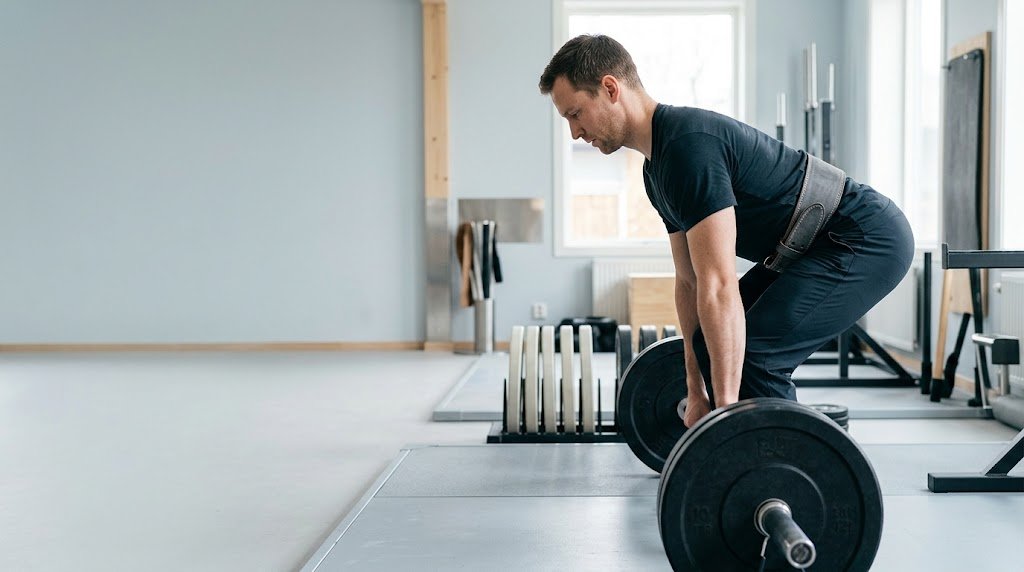
For example, you might begin with lighter weights to practice your setup, breathing, and movement. As the weight increases, you may choose to wear a belt if it helps you maintain your preferred bracing routine.
This is only one approach. Some lifters wear a belt for more of their working sets, while others prefer to train without one.
The important thing is to warm up properly and avoid using a belt as a reason to rush into heavy lifting.
How Does a Deadlift Belt Help?
A weightlifting belt wraps around your waist and provides a firm surface against which you can brace your abdominal muscles.
Before lifting the bar, you take a breath and tighten your core muscles around your torso. The belt can provide feedback as you brace, helping you maintain a consistent approach during demanding lifts.
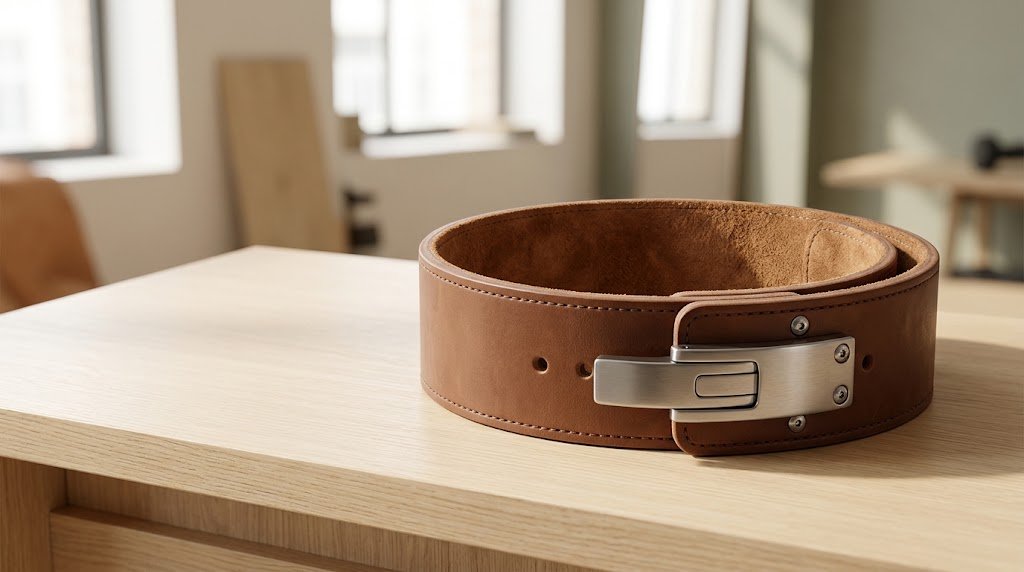
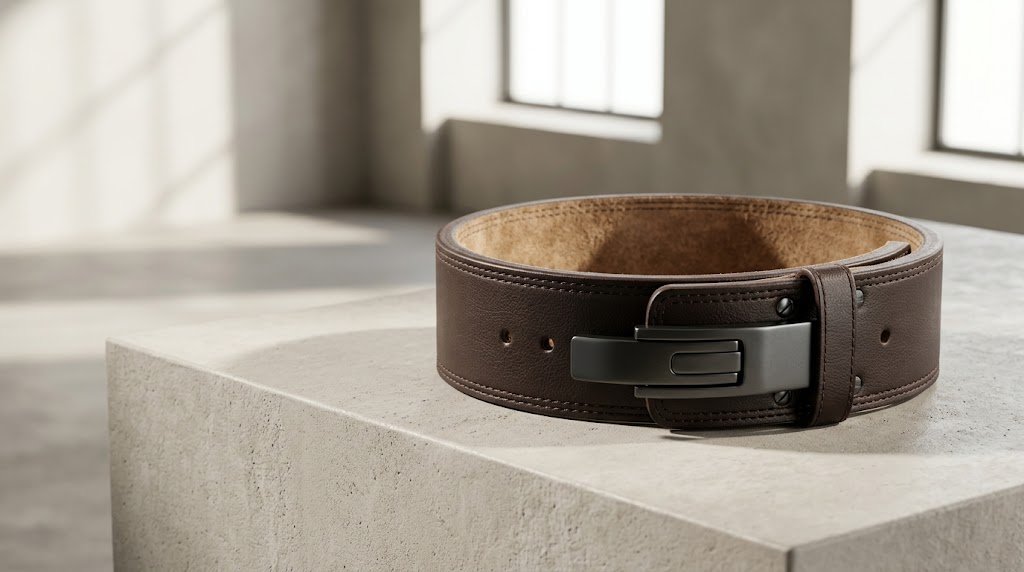
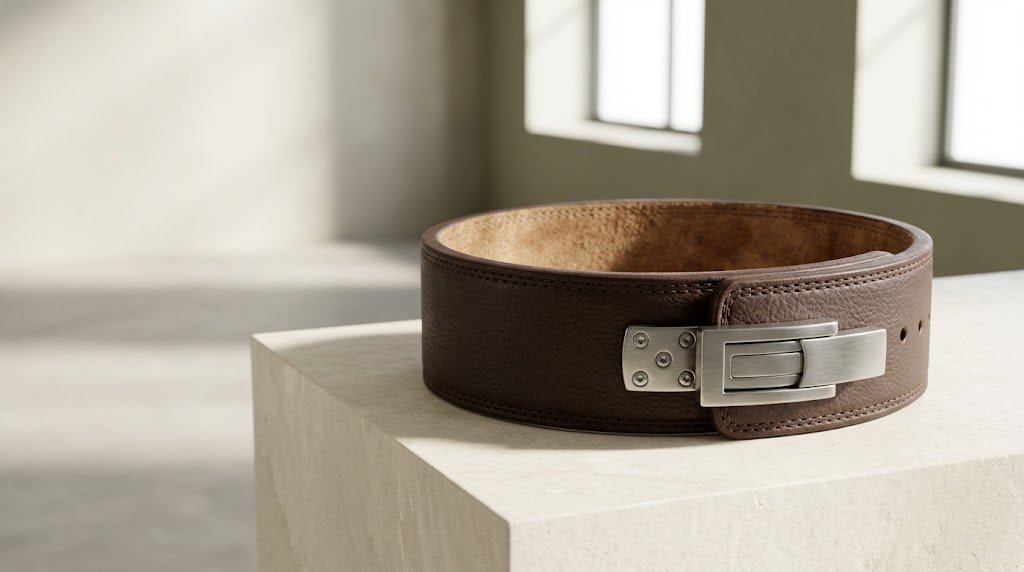
A leather weightlifting belt is a common choice for strength training because it offers a firm, structured feel.
However, a belt does not lift the weight for you or guarantee protection from injury. Good technique, appropriate loading, and recovery remain essential.
When Should Beginners Start Using a Deadlift Belt?
Beginners should first focus on learning the movement and developing good bracing habits.
Before adding a belt, practice:
- Setting up with the bar in a comfortable starting position.
- Keeping the bar close to your body.
- Bracing your core before the lift.
- Maintaining control throughout the movement.
- Increasing weight gradually.
Once these skills become more consistent, you can try a belt if it fits your training needs.
You do not need to wait until you reach a specific deadlift weight. Equally, you do not need a belt simply because other lifters at your gym wear one.
Should You Use a Belt for Every Deadlift?
No. A belt is not essential for every deadlift session or every set.
Some lifters use a belt for heavy conventional deadlifts but not for lighter warm-ups. Others choose to wear one during certain sets of sumo deadlifts or other variations.
Your decision should depend on your program, comfort, and ability to brace properly.
If you are learning a new deadlift variation, start with a manageable load and make sure you understand the movement before increasing the weight.
Which Weightlifting Belt Is Best for Deadlifts?
The best belt depends on your preferred fastening system, fit, and training style. These are three common options.
1. Leather Lever Belt

A lever belt uses a metal lever mechanism to secure the belt around your waist. Once adjusted, it can be quick to fasten and release between sets.
This option may suit lifters who prefer a consistent fit during regular strength training.
2. Double-Prong Leather Belt

A double-prong belt uses two metal prongs and a series of adjustment holes. It offers a traditional buckle design and lets you change the tightness by selecting a different hole.
It can be a good option for lifters who prefer a conventional adjustable belt.
3. Single-Prong Leather Belt
A single-prong belt uses one metal prong to secure the belt. It offers a traditional design and allows you to adjust the fit through the buckle holes.
Neither prong style is automatically better. Comfort, construction quality, and proper sizing matter more than the number of prongs.
What Thickness Should a Deadlift Belt Be?
Many leather powerlifting belts are available in thicknesses such as 10 mm and 13 mm.
A 10mm lever belt can be a practical choice for lifters who want a firm belt without choosing a thicker design. A 13 mm belt may feel more rigid, but it can also feel less comfortable for some people.
There is no single thickness that works best for everyone. Consider your body shape, preferred fit, and ability to brace comfortably while maintaining your deadlift setup.
A thicker belt is not automatically better, and a belt should not interfere with your movement.
How to Wear a Belt for Deadlifts Correctly
Follow these steps when using a belt:
- Position the belt comfortably. Place it around your torso where it does not dig painfully into your ribs or hips.
- Secure the closure. Tighten the belt enough to provide a firm surface without making breathing uncomfortable.
- Take a breath. Breathe into your abdomen and torso before starting the lift.
- Brace your core. Tighten your abdominal muscles against the belt.
- Set up and lift with control. Use a manageable load and maintain sound technique.
- Reset as needed. Reestablish your position and brace between repetitions when appropriate.
Practice this process with lighter weights before relying on a belt for challenging sets.
If deadlifting causes back pain or other symptoms, do not simply tighten the belt and continue. Stop or reduce the painful activity and seek professional guidance when needed.
Common Mistakes When Using a Deadlift Belt
Avoid these mistakes when deciding when to wear a belt:
- Using it before learning to brace: A belt does not replace proper breathing and core control.
- Wearing it too tightly: You should be able to breathe and brace comfortably.
- Using it for every exercise: Many movements do not require a belt.
- Lifting more than you can control: A belt does not make excessive weight safe.
- Ignoring pain: A belt is not a treatment for an injury.
- Choosing the wrong size: Always check the manufacturer’s measurements.
The goal is to use the belt as a helpful training tool, not as a substitute for good lifting habits.
Frequently Asked Questions
Should I wear a belt for every heavy deadlift?
Not necessarily. Many lifters use a belt for selected heavy working sets, while others prefer to wear one more consistently. Your technique, training program, and comfort should guide your decision.
Should I deadlift without a belt first?
Learning to deadlift and brace without a belt can help you develop good technique. You can consider adding a belt later if it suits your training goals.
Is a leather belt good for deadlifts?
A well-made leather belt can provide a firm, structured surface for bracing. Choose one with suitable thickness, reliable stitching, durable hardware, and a comfortable fit.
Does wearing a belt make your core weak?
Wearing a belt does not automatically weaken your core. However, it is still important to develop core strength and learn how to brace properly rather than depending on a belt for every exercise.
Can a belt prevent deadlift injuries?
No belt can guarantee injury prevention. Proper technique, sensible training progression, recovery, and responding appropriately to pain remain important.
Final Thoughts
The best time to use a belt for deadlift training is when you have developed sound technique, understand proper bracing, and find that a belt suits your heavier working sets.
You do not need to reach a particular weight before trying one, and you do not need to wear one for every set. Choose a belt that fits comfortably and supports your training preferences.
A quality leather belt with a lever or prong closure may be useful for regular strength training, but good technique and sensible progression should always come first.