At what weight should you use a belt for deadlifts? There is no single weight that tells every lifter when to start using a weightlifting belt. Your experience, lifting technique, training goals, and comfort matter more than a specific number on the bar.
Some lifters begin using a belt when their deadlifts become challenging, while others prefer to train without one for longer. A weightlifting belt can help you brace your core during heavy lifts, but it does not automatically make a lift safer or prevent injuries.
In this guide, you will learn when to use a belt for deadlifts, how to decide whether you need one, and how to choose the right belt for your training.
Is There a Specific Weight for Using a Deadlift Belt?
No. There is no universal weight or percentage of your maximum deadlift at which you must start wearing a belt.
For example, one lifter may find a belt useful when lifting 185 pounds, while another may prefer to lift considerably more without one. These differences can depend on training experience, technique, body proportions, and personal preference.
Instead of focusing only on the number on the bar, consider how difficult the lift feels and whether you can maintain good technique.
A belt may be worth trying when:
- You are lifting challenging weights with consistent technique.
- You understand how to brace your core.
- You want to practice using a belt during your heavier working sets.
- Your training program includes heavy compound lifts.
You do not need to wear a belt just because someone else uses one at a particular weight.
How Does a Weightlifting Belt Help During Deadlifts?
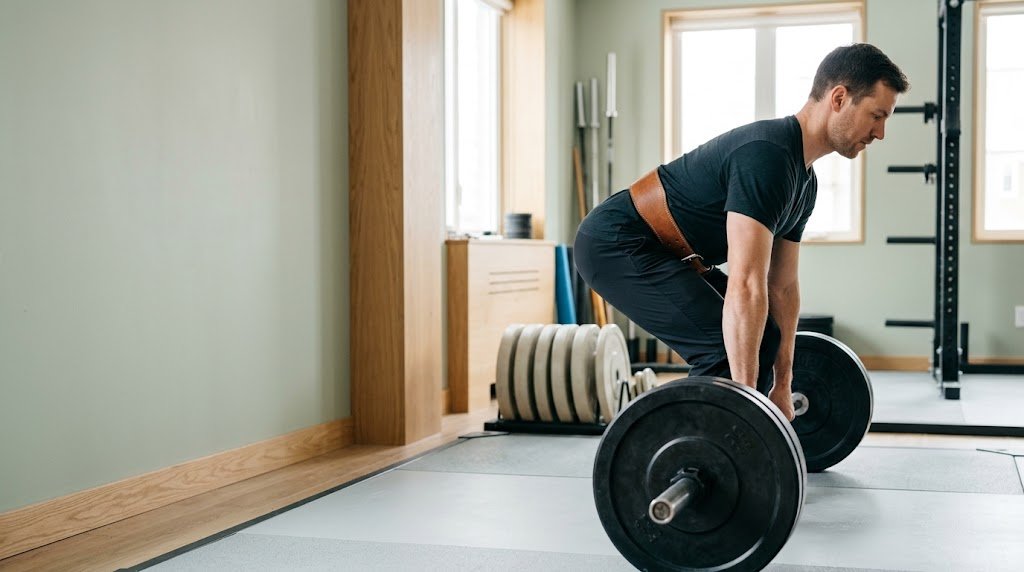
A weightlifting belt gives your abdominal muscles a firm surface to brace against.
Before lifting the bar, you take a breath, tighten your core, and create pressure around your torso. The belt can provide feedback and support as you brace during the movement.
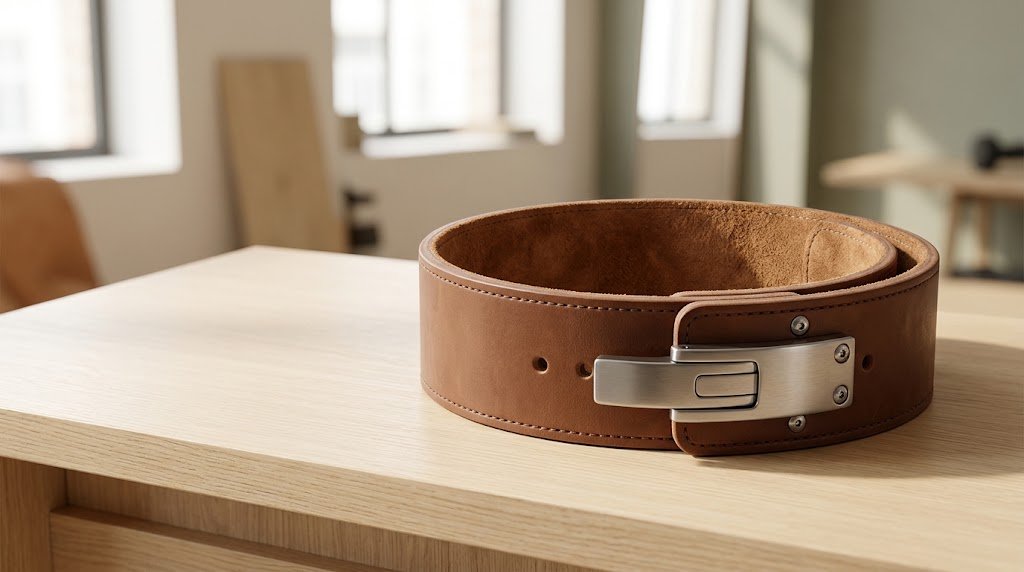
A leather weightlifting belt is a popular option for deadlifts because it offers a firm, structured feel. It can help experienced lifters maintain a consistent bracing routine during demanding sets.
However, a belt does not lift the weight for you or replace proper deadlift technique. Your starting position, grip, movement control, and ability to manage the load remain important.
Should Beginners Use a Belt for Deadlifts?
Beginners generally benefit from learning the deadlift movement and proper bracing before relying on a belt.
Start with a manageable weight and focus on:
- Learning the correct starting position.
- Keeping the bar close to your body.
- Bracing your core before lifting.
- Maintaining control throughout the movement.
- Increasing weight gradually as your technique improves.
You can learn these skills without a belt. Once you feel comfortable with the movement, you can try a belt if it suits your training goals.
A belt is an optional tool, not a requirement for becoming stronger.
When Should You Start Wearing a Belt for Deadlifts?
Rather than waiting until you reach a particular weight, consider using a belt when you have developed consistent technique and want additional feedback during demanding lifts.
1. During Heavy Working Sets
Some lifters use a belt for their heavier working sets but remove it during warm-ups and lighter sets.
This allows them to practice their normal movement pattern while using a belt when they want to focus on bracing under greater loads.
2. When Training for Strength
If your goal is to improve your deadlift strength, a belt may be useful as part of your training routine. Many experienced powerlifters use belts during heavy squats and deadlifts.
However, the belt should support a well-planned program rather than encourage you to increase the weight before you are ready.
3. When You Can Brace Properly
You should understand how to breathe and tighten your core before using a belt.
If you simply tighten the belt and lift without proper bracing, you may not get the benefit you expect. Practice the technique with lighter loads first.
4. When It Feels Comfortable
A belt should fit securely without causing excessive discomfort. If it digs into your ribs or hips, or makes it difficult to breathe and brace, check the size and positioning.
Not every belt suits every body shape or deadlift style.
Should You Wear a Belt for Every Deadlift Set?
No. Many lifters use a belt selectively rather than wearing it for every set.
For example, you might perform your warm-up sets without a belt and put it on for heavier working sets. This is one approach, not a strict rule.
Your decision should depend on your training plan, comfort, and goals. Some lifters prefer to wear a belt for most working sets, while others use one only for their heaviest lifts.
What matters most is that you maintain good technique and do not use a belt as an excuse to lift more than you can control.
Which Weightlifting Belt Is Best for Deadlifts?
The best belt depends on your preferred fit, training style, and fastening system. Here are three common options.
Leather Lever Belt

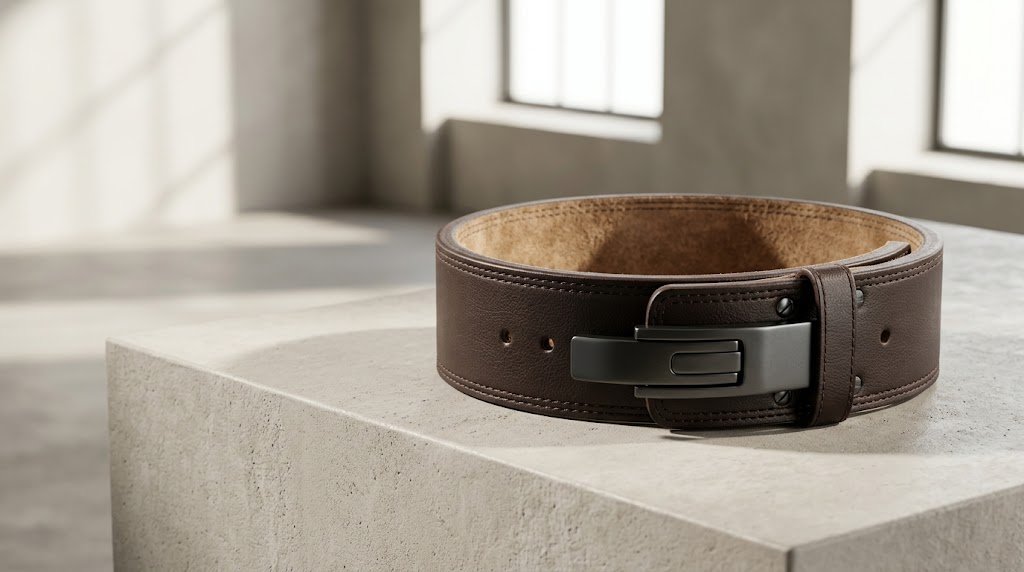
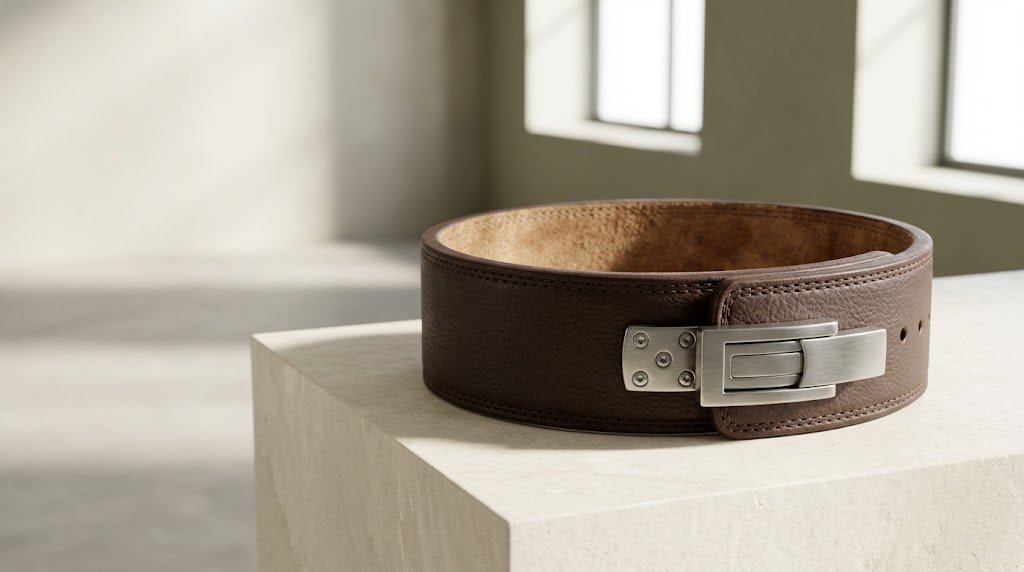
A lever belt uses a metal lever to fasten the belt around your waist. Once properly adjusted, it can be quick to open and close between sets.
This design may suit lifters who want a consistent fit during regular strength training.
Double-Prong Leather Belt

A double-prong belt uses two metal prongs and adjustment holes. It provides a traditional buckle design and allows you to change the fit by selecting a different hole.
Some lifters prefer this style because it does not rely on a lever mechanism.
Single-Prong Leather Belt
A single-prong belt uses one metal prong to secure the belt. It offers a traditional, adjustable design and can be suitable for regular deadlift training.
Neither prong design is automatically better. Fit, materials, construction, and comfort matter more than the number of prongs.
What Thickness Should a Deadlift Belt Be?
Many leather powerlifting belts are available in thicknesses such as 10 mm and 13 mm.
A 10mm lever belt can be a practical option for lifters who want a firm belt without choosing a thicker design. A 13 mm belt may feel more rigid, but it can also feel less comfortable for some users.
There is no single thickness that every deadlifter needs. Consider your body shape, the way the belt feels when you brace, and whether it allows you to maintain a comfortable starting position.
A belt should support your training without restricting the movement unnecessarily.
How to Use a Belt Correctly for Deadlifts
Follow these steps when introducing a belt into your deadlift routine:
- Position the belt comfortably. Place it around your torso where it allows you to brace without digging into your ribs or hips.
- Secure the belt. Tighten it enough to provide a firm surface without making breathing uncomfortable.
- Take a breath. Breathe into your abdomen and torso rather than relying only on your chest.
- Brace your core. Tighten your abdominal muscles around your torso against the belt.
- Lift with control. Maintain your technique and use a weight you can manage safely.
- Reset between repetitions. Reestablish your position and brace as needed rather than rushing through the set.
Practice these steps with manageable weights before using a belt for challenging lifts.
If deadlifting causes back pain or other symptoms, do not simply tighten the belt and continue. Reduce or stop the painful activity and seek professional advice when appropriate.
Common Mistakes When Using a Deadlift Belt
Avoid these common mistakes:
- Waiting for a magic weight: There is no universal weight at which everyone needs a belt.
- Using a belt before learning to brace: A belt does not teach proper technique automatically.
- Tightening it too much: You need to breathe and brace comfortably.
- Using it to lift beyond your ability: A belt does not make an excessive load safe.
- Ignoring technique: Good positioning and controlled movement remain essential.
- Expecting injury protection: A belt cannot guarantee that you will avoid injury.
The goal is to use the belt as a tool that supports your training, not as a replacement for sound lifting habits.
Frequently Asked Questions
At what percentage of my deadlift max should I use a belt?
There is no universal percentage. Some lifters use a belt for heavier working sets, while others prefer to train without one. Your technique, comfort, and training goals should guide the decision.
Should I deadlift 135 pounds with a belt?
You do not need a belt simply because you are lifting 135 pounds. If you are a beginner, focus on technique and bracing first. You can try a belt later if it fits your training needs.
Is a belt necessary for heavy deadlifts?
No. A belt is an optional training tool. Some experienced lifters use one for heavy deadlifts, while others prefer not to.
Can I deadlift without a belt?
Yes. You can develop deadlift strength without a belt. Proper technique, gradual progression, and appropriate recovery are important whether you wear one or not.
Does a leather belt help with deadlift performance?
A properly fitted leather belt may help some lifters brace more effectively during demanding lifts. Results vary, and the belt does not replace good technique.
Final Thoughts
At what weight should you use a belt for deadlifts? There is no fixed number. Start by learning proper technique and bracing, then consider a belt when it fits your training goals and feels comfortable during challenging sets.
A quality leather weightlifting belt with a lever or prong closure may be useful for regular strength training. Choose one based on fit, thickness, construction, and personal preference—not simply the amount of weight on the bar.
The most important factors remain consistent technique, sensible training progression, and knowing when to stop if something does not feel right.