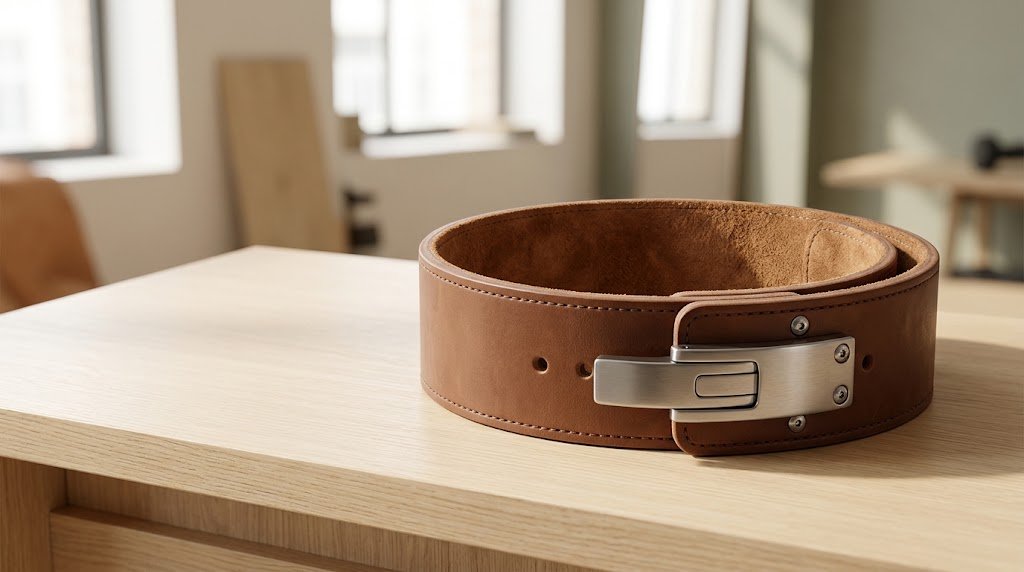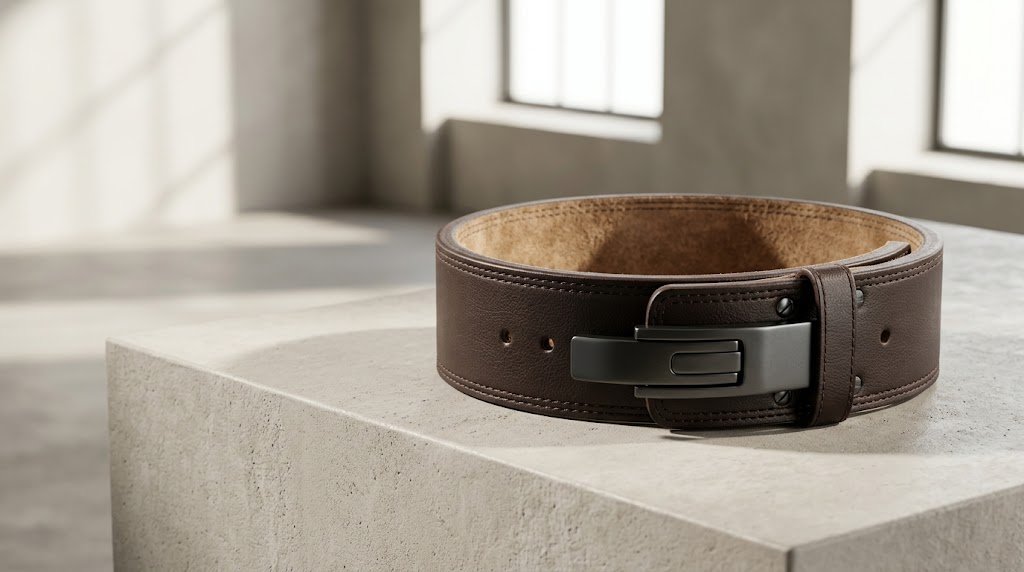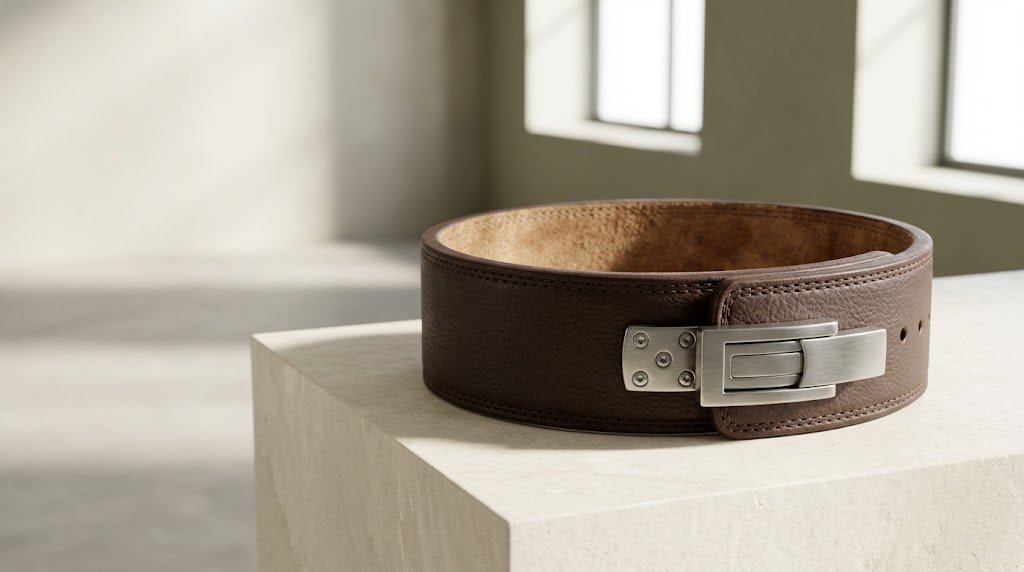
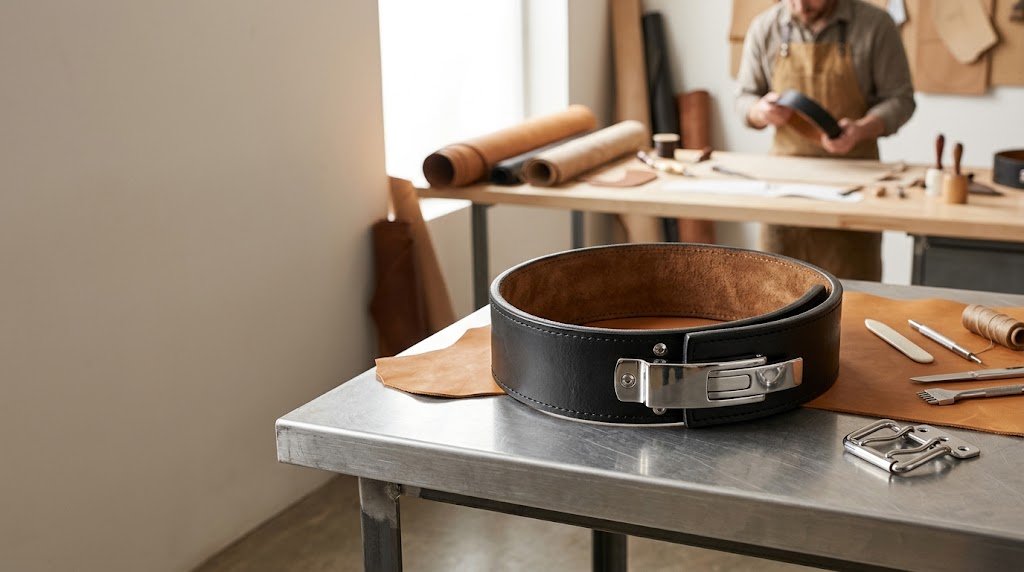
Why are lever belts so expensive compared with some other weightlifting belts? The price often comes down to the materials, construction, fastening mechanism, and quality control used to make the belt.
A lever weightlifting belt is designed for strength training, especially exercises such as squats and deadlifts. Many models use thick leather and a metal lever closure, which can make them more expensive than basic gym belts.
However, not every expensive belt is automatically better. Understanding what affects the price can help you decide whether a lever belt is worth buying.
In this guide, you will learn why lever belts cost more, what features affect their quality, and how to choose the right belt for your training needs.
1. High-Quality Leather Costs More
One of the main reasons some lever belts are expensive is the leather used in their construction.
A leather weightlifting belt may use full-grain or top-grain leather. These leather categories have different characteristics, and the finished product’s quality also depends on the hide, tanning process, thickness, and manufacturing methods.
Good leather can provide a firm, structured feel that many lifters prefer during heavy training.
The cost may increase when a manufacturer uses carefully selected hides, consistent material thickness, and reliable finishing processes.
However, the word leather alone does not guarantee premium quality. Before buying a belt, check the material specifications and the manufacturer’s construction details.
2. The Lever Mechanism Adds Cost
Unlike a traditional prong belt, a lever belt uses a mechanical fastening system to secure the belt around your waist.
The lever typically includes metal components attached to the belt body. Its design and construction can affect how easily the belt opens and closes and how securely it fastens.
A well-made lever mechanism should operate smoothly and attach securely to the belt.
The cost can depend on factors such as:
- Metal quality and finish.
- Lever design and manufacturing precision.
- Attachment hardware.
- Assembly and quality checks.
- Replacement or adjustment options.
A poorly made lever can affect the user experience, even if the belt itself looks attractive. This is why hardware quality is an important consideration when comparing lever belts.
3. Thick Leather Requires Careful Manufacturing
Many lever belts use thick leather to create a firm, supportive structure.
Working with thick leather requires suitable equipment, skilled handling, and attention to detail. Cutting, stitching, edge finishing, and attaching the fastening system all affect the finished product.
Manufacturing costs can increase when the maker focuses on consistent dimensions, clean edges, durable stitching, and precise hardware placement.
A belt should not only look good when new. Its construction should also be suitable for repeated use under normal training conditions.
That said, thickness alone does not determine quality. A well-designed belt must also fit properly and feel comfortable during the intended exercises.
4. Stitching and Finishing Affect the Price
Stitching is another factor that can affect the price of a leather gym belt.
Consistent stitching helps hold the belt’s layers and components together, depending on how the product is designed. Poor stitching, uneven edges, or badly attached hardware may reduce the quality of the finished product.
Premium belts may involve additional attention to:
- Stitching consistency.
- Edge smoothing and finishing.
- Alignment of the lever mechanism.
- Consistent belt dimensions.
- Inspection before packaging.
These steps require time and quality control. They can increase production costs, but they also help create a more consistent finished product.
5. Design, Testing, and Quality Control Add Value
A weightlifting belt needs to be designed for its intended use. Manufacturers may spend time developing patterns, testing different materials, checking dimensions, and refining the fastening system.
Quality control can include checking the belt’s measurements, inspecting stitching, examining the leather surface, and verifying that the lever opens and closes correctly.
These activities add to manufacturing costs.
However, claims about testing should be supported by real evidence. If a brand says its belt has been tested, look for clear information about what was tested and how.
Do not assume that a higher price means a belt has undergone more testing.
6. Brand Reputation and Marketing Can Increase Prices
Some lever belts cost more because of brand positioning, advertising, sponsorships, packaging, and retail distribution.
A recognized fitness brand may spend money on athlete partnerships, online advertising, product photography, and customer support. These expenses can influence the final price.
Retailers and distributors may also add costs as a product moves through the supply chain.
This means two belts with similar materials and features can have different prices.
A well-known brand may offer useful benefits, but brand recognition alone does not prove that its belt is better. Compare the actual specifications before deciding.
7. Importing and Shipping Can Affect the Final Cost
Where a belt is manufactured and sold can also affect its price.
International shipping, import duties, taxes, warehousing, and local distribution may add to the final cost. Currency changes and retailer margins can also influence prices.
For example, a belt made overseas may have a different retail price in the United States depending on shipping arrangements, import costs, and the seller’s distribution model.
These costs do not necessarily mean the product is better or worse. They explain why the same type of belt may cost different amounts in different markets.
8. Are Expensive Lever Belts Better Than Cheap Ones?
Not always. A more expensive lever belt may use better leather, more reliable hardware, or more careful manufacturing, but you should verify these features rather than judge by price alone.
When comparing belts, consider the following:
| Feature | What to check |
|---|---|
| Leather | Material type, grade, and consistency |
| Thickness | Whether it suits your training and comfort |
| Lever | Secure attachment and smooth operation |
| Stitching | Consistent workmanship |
| Fit | Correct sizing and comfortable positioning |
| Quality control | Clear, credible information about inspections or testing |
| Warranty | What the seller actually covers |
A lower-priced belt can be a good option if it meets your needs and is made well. Similarly, an expensive belt may not be worth the extra money if its features do not benefit you.
9. Is a Lever Belt Worth the Money?
A lever belt may be worth the investment if you train regularly and prefer its fastening system.
Once properly adjusted, the lever can make it convenient to open and close the belt between sets. Many lifters also appreciate the firm feel of a well-made leather belt.
However, a lever belt is not necessary for everyone. Beginners may prefer to learn proper bracing and lifting technique before buying one. Lifters who want to change their belt tightness frequently may prefer a traditional prong design.
Before purchasing, consider how often you train, which exercises you perform, and how much you value the lever mechanism.
The best belt is one that meets your training needs—not simply the most expensive option available.
10. How to Choose a Good Lever Weightlifting Belt
If you decide to buy a lever belt, use these steps to compare options.
Check the Leather
Look for clear material specifications. Full-grain and top-grain leather are not identical, so check which type the manufacturer uses.
Choose the Right Thickness
A 10mm lever belt is a common option for lifters who want a firm belt for heavy strength training. Thicker belts may feel more rigid, but the right choice depends on your comfort and training style.
Inspect the Lever
Check how the lever attaches to the belt and whether the seller provides information about its construction and adjustment.
Get the Correct Size
Measure your waist according to the manufacturer’s instructions. Do not rely only on your pants size, because belt sizing can differ between brands.
Compare the Overall Value
Consider material quality, construction, warranty, customer service, and the seller’s reputation together. Avoid paying extra for features you do not need.
Frequently Asked Questions
Why do leather lever belts cost more than basic gym belts?
Some leather lever belts use thicker leather, metal fastening mechanisms, and more involved manufacturing processes. These features can increase the cost, although prices vary by product.
Is a 10mm lever belt worth buying?
A 10mm lever belt may be a good choice if you want a firm belt for regular strength training. Whether it is worth the price depends on its construction, fit, and your training needs.
Do lever belts last longer than prong belts?
Not necessarily. Longevity depends on material quality, construction, use, and care. Both lever and prong belts can last a long time when well made and properly maintained.
Are cheap lever belts bad quality?
Not always. Some lower-priced belts may offer good value. Check the leather, stitching, hardware, sizing, and available product information rather than judging by price alone.
How can I make my leather lever belt last longer?
Wipe off sweat, let the belt air-dry, avoid storing it in a damp gym bag, and follow the manufacturer’s leather-care instructions. Check the lever attachment and stitching regularly.
Final Thoughts
Lever belts can be expensive because of their leather, metal fastening mechanisms, manufacturing processes, quality control, and distribution costs. Brand positioning and marketing can also affect the price.
However, a higher price does not automatically mean better quality. Compare the materials, lever construction, stitching, fit, and available evidence of quality before buying.
If you train regularly and value a firm leather belt with a quick fastening system, a well-made lever belt may be worth considering. Choose one that suits your needs and budget rather than paying extra for a name alone.